How I Protect My Money When Disaster Hits — Real Fund Management Tactics
Natural disasters don’t just damage homes—they can wreck your finances too. I learned this the hard way when a storm wiped out power for weeks and drained my emergency fund. Since then, I’ve rebuilt my financial strategy from the ground up. This is how I now manage my funds before, during, and after disasters—focusing on access, safety, and quick recovery—so you don’t have to learn the hard way. Financial resilience isn’t about having the most money; it’s about making what you have work when it matters most. This guide shares practical, tested methods to protect your resources, maintain control, and recover with confidence, no matter what nature brings.
The Hidden Financial Shock of Natural Disasters
Natural disasters trigger a chain reaction that extends far beyond physical destruction. While news coverage often focuses on collapsed buildings or flooded streets, the invisible damage to personal finances can be just as devastating. A hurricane, wildfire, or earthquake doesn’t only destroy property—it disrupts income, inflates expenses, and exposes weaknesses in even the most carefully planned budgets. For many families, the financial impact begins long before the skies clear. Evacuation costs, last-minute lodging, pet boarding, and unplanned transportation can drain hundreds or thousands of dollars within hours. Meanwhile, if the local economy shuts down, wages stop, small businesses lose revenue, and freelance work dries up—just when extra funds are needed most.
The problem is that traditional financial planning rarely accounts for this sudden imbalance between income and spending. Most households operate on a predictable monthly cycle: income comes in, bills are paid, and a portion is saved. But during a crisis, that rhythm shatters. Expenses surge at the exact moment cash flow slows or stops. A family may need to pay for temporary housing while still covering their mortgage or rent. Medical needs may arise without immediate insurance reimbursement. Car repairs, generator rentals, and cleanup supplies become urgent line items with no room in the original budget. In these moments, even a well-funded savings account can vanish in weeks, leaving individuals vulnerable to debt and long-term setbacks.
What makes this financial shock so dangerous is its unpredictability. Standard emergency funds are often built around job loss or medical bills, not the unique demands of natural disasters. Many people underestimate how quickly cash becomes essential when ATMs are down, credit card machines fail, and digital payments are unavailable. In one documented case, a family evacuated during a wildfire only to find that gas stations along the route wouldn’t accept card payments due to power outages—forcing them to turn back for cash. Without immediate liquidity, even basic survival becomes a financial challenge. This gap between conventional planning and real-world crisis demands is where financial stability begins to erode.
Moreover, the psychological pressure of a disaster amplifies poor financial decisions. Stress, fear, and exhaustion cloud judgment, making people more likely to accept high-interest loans, overspend on replacements, or make impulsive purchases out of urgency. The result is a cycle of short-term fixes that lead to long-term debt. Recognizing these hidden financial risks is the first step toward building a smarter, more resilient strategy. It’s not enough to hope for the best; families need a clear, actionable plan that anticipates both the visible and invisible costs of disaster.
Building a Disaster-Ready Cash Reserve
An emergency fund is often recommended as a financial safety net, but not all emergency funds are equally effective in a crisis. When disaster strikes, liquidity and accessibility become more important than interest rates or long-term growth. A bank account with a high balance is of little use if it can’t be accessed during a blackout or evacuation. This is why a disaster-ready cash reserve must be structured differently from a standard savings plan. It should be liquid, physically available, and organized in layers that match the stages of a crisis—immediate survival, short-term displacement, and longer recovery.
The foundation of this reserve is physical cash. While digital banking dominates daily transactions, cash remains the most reliable form of payment when infrastructure fails. Power outages disable ATMs and point-of-sale systems, and cell networks may collapse, cutting off mobile payments. In these conditions, having tangible money on hand can mean the difference between securing a hotel room and sleeping in a car. Financial experts generally recommend keeping enough cash to cover three to seven days of essential expenses—food, fuel, medication, and small incidentals. For most families, this amounts to $300 to $1,000, depending on household size and regional cost of living.
Storing this cash safely is critical. It should be kept in a fireproof and waterproof container, preferably in a secure but easily accessible location in the home. Avoid obvious hiding spots like under the mattress or in kitchen drawers. Instead, consider a locked safe mounted in a closet or basement—areas less likely to be damaged in certain types of disasters. The money should be in small denominations—$1s, $5s, and $10s—to increase usability when change is scarce. It’s also wise to include a mix of currency types, such as coins for parking meters or laundromats, which may not accept cards during outages.
Beyond the immediate cash stash, a second tier of liquidity should be maintained in easily accessible accounts. High-yield savings accounts or money market accounts offer better returns than traditional banks while still allowing quick transfers or ATM withdrawals. Unlike investments in stocks or retirement funds, these accounts are not subject to market fluctuations and can be tapped within days if needed. The key is ensuring these accounts are linked to a debit card that can be used widely, including at credit unions or banks with broad ATM networks. Some families also use prepaid reloadable cards as a hybrid solution—funded in advance, usable anywhere, and not tied directly to a bank account, reducing fraud risk if lost.
Regional risk should influence the size and structure of the reserve. Households in hurricane-prone areas may need larger funds to cover extended evacuations, while those in earthquake zones might prioritize quick access over total amount. Urban residents may rely more on digital access, whereas rural families should prepare for longer isolation. By tailoring the reserve to local threats, families can build a financial cushion that responds effectively when disaster hits. The goal is not to hoard cash but to create a strategic buffer that maintains stability when normal systems fail.
Securing Access to Funds During Crises
When disaster disrupts infrastructure, access to money becomes as vital as food or water. Banks close, ATMs run out of cash, and internet outages block online banking. In these moments, even individuals with healthy account balances can find themselves financially stranded. The ability to withdraw, transfer, or verify funds during a crisis depends on preparation made long before the emergency. Those who plan ahead by diversifying access points and securing critical information are far more likely to maintain control over their finances when systems fail.
One of the most effective strategies is to establish multiple ways to access money. Relying on a single bank or app creates a single point of failure. Instead, consider spreading access across different institutions and platforms. For example, maintaining accounts at both a national bank and a local credit union increases the chances that at least one will remain operational. Credit unions often have reciprocal ATM networks, allowing members to withdraw cash without fees at partner locations. Similarly, using fintech tools like mobile banking apps with offline features or peer-to-peer payment platforms can provide alternative channels when traditional banking is down.
Equally important is having offline access to account information. In a power outage, a smartphone may die, and cloud-based records become unreachable. To prevent this, keep printed copies of account numbers, balances, and contact details in a waterproof, portable document sleeve. Store this with other emergency supplies, such as first aid kits or flashlights. Include PINs and security questions, but only if stored securely—ideally in a locked container known only to trusted family members. Some families use a sealed envelope labeled with instructions for emergency use, ensuring that critical information is available without being exposed to everyday risks.
Another layer of protection is pre-authorizing trusted contacts to assist with financial matters. This can be done through formal arrangements like a durable power of attorney or informal agreements with a spouse, sibling, or close friend. If one person is displaced or injured, another can manage bill payments, initiate transfers, or communicate with financial institutions. It’s essential to discuss these roles in advance and ensure the designated person knows where documents are kept and how accounts are accessed. Clear communication prevents confusion during high-stress situations.
Security remains a concern even in emergencies. Disasters create opportunities for fraud, theft, and identity theft. With public attention focused on recovery, criminals may exploit vulnerabilities—such as lost wallets, unsecured networks, or phishing scams posing as aid organizations. To reduce risk, avoid using public Wi-Fi for banking transactions, and never share account details over the phone unless certain of the caller’s identity. Monitor accounts regularly, even during crises, using whatever means are available. If possible, set up text or email alerts for transactions to detect suspicious activity early. By combining accessibility with strong safeguards, families can protect their financial lifelines when they need them most.
Smart Fund Allocation: Balancing Liquidity and Safety
During a disaster, money must serve two conflicting purposes: it must be safe from loss and easily accessible when needed. This creates a challenge in how funds are allocated. Putting everything into a high-interest savings account may maximize growth, but if that account requires online verification or has withdrawal limits, it may not be usable in an emergency. On the other hand, keeping all cash at home increases accessibility but exposes it to physical risks like fire or flooding. The solution lies in strategic allocation—distributing funds across different vehicles to balance liquidity, safety, and return.
A tiered approach works best. The first tier consists of physical cash, as previously discussed, reserved for immediate needs. This is the most liquid form of money but offers no growth and carries storage risks. The second tier includes high-yield savings accounts or money market funds that allow quick transfers and ATM access. These accounts typically offer better interest rates than traditional banks while maintaining liquidity. They are ideal for holding the bulk of an emergency fund—say, three to six months of living expenses—because they can be accessed within one to two business days if needed.
The third tier may include prepaid debit cards or digital wallets loaded with funds in advance. These tools offer convenience and can be used in places that accept card payments, even when internet banking is down. Unlike credit cards, they don’t create debt, and unlike bank accounts, they aren’t directly linked to primary financial institutions, reducing exposure to fraud. Some digital wallets also allow offline transactions via QR codes or NFC, making them useful in low-connectivity environments. However, users should verify fees, reload options, and customer support availability before relying on them in a crisis.
For families in high-risk areas, a fourth tier might involve stable digital assets like certain types of blockchain-based tokens pegged to the U.S. dollar. These are not speculative investments but tools for decentralized access. In rare cases where banking systems are completely offline, such assets can be transferred peer-to-peer using mobile data or satellite connections. While this option requires technical knowledge and caution, it represents an emerging layer of financial resilience for those willing to learn. The key is not to chase returns but to ensure that at least a portion of funds remains accessible under extreme conditions.
Each of these layers serves a distinct purpose and should be funded according to risk and need. For example, a family in a flood zone might keep less cash at home and more in a remote high-yield account, while a rural household might prioritize prepaid cards due to limited ATM access. Regular review and adjustment ensure the allocation remains aligned with changing circumstances. By diversifying where and how money is held, families reduce the risk of total financial paralysis during a disaster.
Avoiding Common Financial Traps After Disasters
The aftermath of a disaster is a vulnerable time, emotionally and financially. Stress, fatigue, and uncertainty cloud judgment, making people more susceptible to poor financial decisions. In the rush to restore normalcy, many fall into traps that lead to long-term debt and delayed recovery. One of the most common is taking on high-interest loans to cover urgent expenses. Payday lenders, title loans, and credit cards with teaser rates often target disaster-affected communities, offering quick cash at exorbitant costs. While these options may seem like a solution, they can trap families in cycles of repayment that last years.
Another frequent mistake is overspending on replacements. When homes are damaged, the urge to rebuild or repurchase items immediately is strong. But buying new furniture, appliances, or clothing before insurance claims are settled can strain already limited resources. Some families max out credit cards to replace belongings, only to discover later that their policies cover those costs. The result is unnecessary debt for items they could have waited to replace. A better approach is to document all losses thoroughly, file claims promptly, and use temporary solutions—like renting furniture or borrowing essentials—until reimbursement arrives.
Misinformation about aid programs also leads to financial missteps. Not all government or nonprofit assistance is free, and some programs require repayment or have strict eligibility rules. Families may assume they qualify for grants when they actually face loans, or they may miss deadlines due to lack of awareness. To avoid this, rely only on official sources—such as FEMA, the Small Business Administration, or state emergency management agencies—for guidance. Keep records of all communications and applications, and never pay a fee to apply for disaster aid.
Emotional spending is another hidden risk. The trauma of displacement or loss can drive people to seek comfort through purchases—new clothes, meals out, or even a new car—under the guise of “starting over.” While some spending is necessary, unchecked emotional decisions erode financial stability. Creating a post-disaster budget helps restore control. List essential expenses, prioritize them, and set limits on discretionary spending. Involving a trusted family member in financial decisions can provide accountability and reduce impulsive choices.
Finally, many families neglect to negotiate with creditors. Utility companies, lenders, and service providers often offer hardship programs during disasters, including payment deferrals, reduced rates, or waived fees. These options are rarely advertised, so it’s up to the consumer to ask. Simply calling to explain the situation can lead to significant relief. By avoiding these common traps, families can protect their financial health and focus on sustainable recovery.
Using Insurance and Aid Wisely—Without Delays
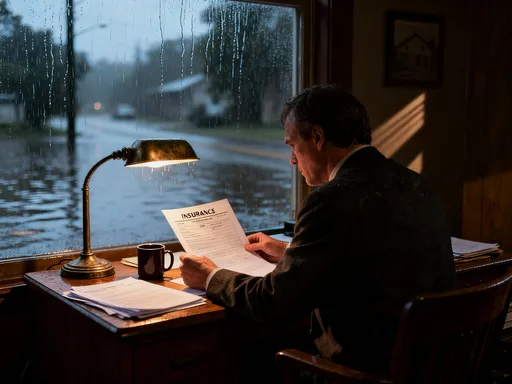
Insurance and government aid are critical tools for financial recovery, but their benefits are only as good as the preparation behind them. Many families file claims only after disaster strikes, only to discover missing documents, coverage gaps, or confusing procedures that delay payouts. To avoid this, preparation must begin long before an emergency. The first step is understanding what policies are in place and what they cover. Homeowners insurance typically includes structural damage and personal property, but it often excludes flood damage—a common misconception. Renters should ensure they have renter’s insurance, which covers belongings and liability but not the building itself. Flood insurance, whether through the National Flood Insurance Program or private carriers, must be purchased separately and often has a 30-day waiting period, making early enrollment essential.
Once coverage is confirmed, the next step is organizing documentation. Create a digital and physical file of all relevant documents: policy numbers, agent contacts, recent photos or videos of possessions, and receipts for major purchases. Store digital copies in encrypted cloud storage with strong passwords, and keep printed versions in a fireproof safe. In the event of damage, this evidence speeds up the claims process and reduces disputes. It’s also helpful to keep a record of home improvements, as these can increase the value of a claim.
When disaster occurs, act quickly. Contact your insurer within 24 to 48 hours to report damage, even if the full extent isn’t known. Take photos and videos of all affected areas before cleanup begins. Keep detailed records of all expenses related to the event—hotel stays, meals, temporary repairs—as many policies include coverage for additional living expenses. Submit claims as soon as possible, following the insurer’s preferred method, whether online, by phone, or through a mobile app.
Communication is key. Assign one family member to manage all interactions with the insurance company to avoid mixed messages. Ask clear questions about timelines, required documents, and next steps. If a claim is denied or delayed, request a written explanation and consider seeking a second opinion from a public adjuster, who works on behalf of the policyholder rather than the insurer. These professionals can help maximize payouts, especially in complex cases.
Government aid should be treated with the same level of preparation. Register with FEMA as soon as possible after a declared disaster. The process requires identification, proof of residence, and detailed descriptions of damage. Aid may come in the form of grants for repairs, temporary housing assistance, or low-interest loans for uninsured losses. While grants do not need to be repaid, loans must be managed carefully to avoid new debt. By treating insurance and aid as structured financial tools—not windfalls—families can use them effectively to close cash flow gaps and support long-term recovery.
Long-Term Recovery: Rebuilding Finances After the Storm
Recovery does not end when the immediate crisis passes. The weeks and months that follow are just as critical to financial health. This is the time to reassess goals, rebuild credit, and strengthen safeguards for the future. Many families, eager to return to normal, rush into new commitments—bigger homes, more debt, or aggressive investments—without addressing the lessons of the past. A smarter approach is to rebuild deliberately, using the experience as a catalyst for greater resilience.
The first step is to review and revise the household budget. Disaster often changes income, expenses, and priorities. Medical bills, repair costs, or job disruptions may require temporary adjustments. Build a transitional budget that reflects current realities, with clear categories for essential spending, debt repayment, and savings. As stability returns, gradually reintroduce long-term goals like retirement contributions or college funds. The key is to avoid overextending while still moving forward.
Credit repair is another priority. Missed payments, closed accounts, or new loans can lower credit scores, affecting future borrowing power. Check credit reports for errors, dispute inaccuracies, and make payments on time. Consider using a secured credit card to rebuild history if necessary. Over time, responsible use will restore confidence with lenders.
Debt management should be strategic. If new loans were taken, create a repayment plan that balances urgency with affordability. Focus on high-interest debt first, but don’t sacrifice emergency savings in the process. Maintaining liquidity remains essential, even during recovery. At the same time, resist the urge to eliminate all debt too quickly if it means depleting reserves. Financial strength comes from balance, not extremes.
Finally, use the experience to strengthen future protections. Increase the emergency fund if it was fully used. Consider additional insurance coverage based on lessons learned. Update documents, test access methods, and practice evacuation drills that include financial steps—like grabbing the emergency cash and document kit. By treating financial preparedness as an ongoing process, families can emerge not just recovered, but stronger. Disaster may be inevitable, but financial ruin is not. With the right strategies, it’s possible to face the future with confidence, knowing that no matter what comes, the foundation is secure.