What Tourists Get Wrong About Tampere’s City Center
You know that feeling when you step into a city expecting charm, only to find crowded shops and overpriced cafes? That was me in Tampere. I thought I’d explore Finland’s third-largest city and uncover cozy Nordic vibes—instead, I walked straight into commercial traps many travelers don’t see coming. From misleading souvenir spots to malls disguised as “local experiences,” I learned the hard way. This is not a hate piece on Tampere—far from it—but a real talk about what to watch for in its commercial zones. What I discovered was not a failure of the city, but a pattern of misalignment between traveler expectations and the reality of urban tourism. With a little insight, Tampere’s true character can shine through, even in its busiest corners.
First Impressions: When Charming Streets Hide Tourist Traps
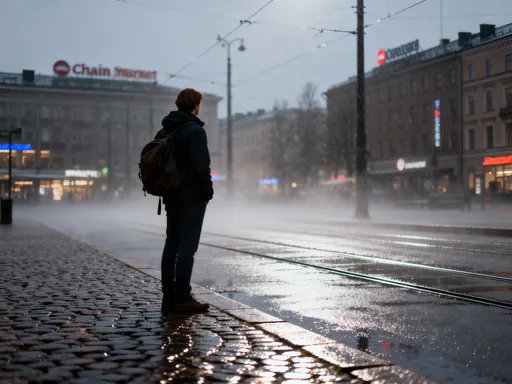
Arriving at Tampere Central Station, the first thing visitors notice is the seamless integration of transport and commerce. Bright signage leads directly from the train platforms into a network of covered walkways lined with shops and cafes. At first glance, this seems convenient—efficient, even. But this design subtly funnels tourists into a curated commercial corridor before they’ve had a chance to orient themselves. The city’s marketing often highlights Tampere’s lakeside beauty and industrial heritage, yet the immediate experience upon arrival is dominated by chain stores and standardized retail environments.
Market Square, or Kauppatori, is one of the most photographed spots in the city center. In promotional materials, it appears as a lively hub of local vendors and traditional Finnish charm. The reality, especially during peak season, is quite different. While a small farmers’ market operates on certain days, the surrounding area is increasingly occupied by international brands, fast-casual eateries, and souvenir kiosks with little connection to regional culture. Even Finns acknowledge that the square has become more of a transit point than a gathering place for locals.
Many residents describe the city center as feeling “too polished,” a term that captures the tension between urban renewal and cultural authenticity. The city has invested heavily in modernizing its public spaces, widening sidewalks, and improving accessibility. While these upgrades benefit everyone, they have also made the area more attractive to global retail chains, which can afford higher rents than independent businesses. As a result, the streetscape now resembles other European city centers more than it reflects Tampere’s unique identity as a former industrial powerhouse turned cultural innovator.
This is not to say the charm is gone—far from it. But it requires stepping beyond the main thoroughfares to find. The real issue lies in the expectation gap: travelers arrive with visions of hygge-like intimacy and artisanal craftsmanship, only to encounter a retail environment shaped more by market forces than local tradition. Recognizing this early can shift your mindset from disappointment to curiosity, prompting you to look deeper rather than turn back.
The Myth of the “Authentic” Souvenir Shop
One of the most common misconceptions among visitors is that shops labeled as selling “Finnish handicrafts” actually do. Along Hämeenkatu, the city’s main shopping street, several stores prominently display flags, wooden carvings, and textiles under signs like “Nordic Treasures” or “Finnish Heritage Gifts.” A closer look, however, reveals that many of these items are mass-produced overseas, often in Southeast Asia or Eastern Europe. Labels are vague, with phrases like “inspired by Finnish design” allowing sellers to bypass transparency.
A comparison of price and quality tells the story. A hand-carved wooden elk sold in a tourist shop near the Central Square might cost 39 euros, yet feel lightweight and lack intricate detailing. Just a few kilometers away, at a local craft fair or independent design studio, a similar piece made by a Finnish artisan using sustainably sourced timber could cost 55 euros—but with visible craftsmanship, a maker’s signature, and a story behind it. The higher price reflects not just materials, but time, skill, and cultural continuity.
The problem isn’t just economic—it’s experiential. Buying a souvenir should feel like taking home a piece of a place. When that item has no real connection to the community, the memory becomes diluted. Travelers may not realize they’ve purchased a generic product until they return home and compare it to items bought elsewhere in Finland. The emotional resonance is missing because the object lacks authenticity.
So where can visitors find genuine Finnish-made goods? The answer lies outside the central shopping arcades. The Tammela district, just a short walk from the city center, hosts seasonal craft markets where local designers sell textiles, ceramics, and jewelry. The Craft Museum of Finland, located in the historic Finlayson area, also operates a small shop featuring work from its resident artists. Even the Tampere Market Hall occasionally hosts rotating pop-ups by independent makers, especially during cultural festivals. These spaces may be less visible, but they offer a far richer connection to the region’s creative spirit.
Shopping Malls in Disguise: When “Cultural Hubs” Feel Like Anywhere, USA
One of the most misleading experiences in Tampere’s city center is the presentation of certain shopping complexes as cultural landmarks. The Näsilinna Shopping Center, for example, is often included in tourist brochures with descriptions like “a vibrant part of Tampere’s urban life.” While it does house a few local services, the majority of its tenants are international chains—global fashion retailers, electronics stores, and standardized coffee shops. The architecture, though functional, lacks the historical character one might expect from a building with “linna” (castle) in its name.
Walking through its corridors, the atmosphere feels indistinguishable from suburban malls in North America or other European cities. The lighting is fluorescent, the flooring is generic tile, and the layout prioritizes foot traffic flow over aesthetic or cultural experience. There are no displays of local art, no nods to Tampere’s textile or engineering heritage, and no spaces designed for community interaction. It is, in essence, a commercial space marketed with the language of culture.
This blending of retail and cultural identity is not unique to Tampere, but it is particularly noticeable here because of the city’s strong historical narrative. Tampere was once known as the “Manchester of Finland” for its textile mills and industrial innovation. Today, that legacy is celebrated in museums and guided tours, yet much of the city center’s commercial development tells a different story—one of homogenization rather than heritage. When international brands dominate prime locations, local businesses are pushed to the margins, reducing the diversity of goods and experiences available to both residents and visitors.
The irony is that authentic cultural spaces do exist in Tampere—they’re just not always labeled as such. The Vapaataidekeskus (Free Art Center) in the old factory buildings of Finlayson hosts rotating exhibitions and artist studios. The Plevna building, once a brewery, now houses a cultural center with live music and independent cinema. These places don’t have the polished signage of a shopping mall, but they pulse with creative energy. Choosing to spend time—and money—in such spaces supports the very culture tourists come to see.
Café Culture Gone Commercial: Coffee with a Side of Disappointment
Finland is famous for its coffee culture—locals consume more coffee per capita than any other country in the world. In Tampere, this tradition should be easy to experience. Yet near major landmarks like the Old Church or the Lenin Museum, many cafes cater so heavily to tourists that they sacrifice authenticity for convenience. Menus are translated into five languages, but the pastries are frozen and imported. The “Finnish cinnamon roll” served at one popular spot near the Market Square tasted no different from a generic bakery item found in airport terminals across Europe.
These cafes are often designed for visual appeal rather than sensory authenticity. White marble counters, hanging pendant lights, and minimalist furniture make them ideal for social media photos, but the coffee itself is frequently brewed using automated machines with pre-ground beans. The staff, while polite, often have little knowledge of the origin of the beans or the nuances of Finnish coffee traditions, such as serving it with pulla (sweet cardamom bread) or pairing it with seasonal berries.
In contrast, a small kiosk in the Tammela neighborhood, unmarked except for a hand-painted sign, served the most memorable cup of coffee I had in the city. The owner, a retired engineer, roasted his own beans in small batches and offered a choice of brewing methods—Finnish “boiled coffee” or a pour-over. The pulla was made daily by his sister using a family recipe. There was no Wi-Fi, no English menu, and no Instagram backdrop. But the experience was deeply rooted in place, conversation, and care.
This isn’t to suggest that tourist-friendly cafes have no place—they do, especially for travelers needing accessible services. But relying solely on them risks missing the heart of Finnish daily life. A better approach is to use the city’s excellent public transit to visit residential neighborhoods where cafes serve locals first. Even within the city center, spots like Koff Cafe, located in a historic building near the Central Station, offer a more balanced blend of accessibility and authenticity, sourcing ingredients from regional producers and hosting occasional live folk music.
The Hidden Cost of Convenience: Location-Based Pricing in Tourist Zones
One of the most predictable yet overlooked aspects of urban tourism is location-based pricing. In Tampere, as in most cities, being just 200 meters from a major landmark can double the price of basic goods. A bottle of water that costs 1.50 euros in a supermarket just outside the center may be priced at 3.50 euros in a convenience store near the Market Square. The same applies to transit maps, bottled juices, and even small souvenirs like keychains or postcards.
The markup is not accidental. Retailers in high-traffic zones operate under higher rental costs and tailor their pricing to visitors who are less price-sensitive and more focused on convenience. Guided tour sign-ups located inside the tourist information center, for example, are often 15–20% more expensive than booking the same tour online or through a neighborhood provider. While the service is identical, the location adds a premium.
This pricing strategy is legal and common, but it can add up quickly for travelers on a budget. A family of four might unknowingly spend an extra 20–30 euros per day just by making purchases in the most central areas. The impact is especially noticeable in food and drink, where combo meals at tourist-oriented cafes can cost as much as a full restaurant meal in a local neighborhood.
The solution is simple but requires planning. Carrying a reusable water bottle and refilling it at public fountains—available in several parks and transit hubs—can save both money and plastic waste. Using the Tampere mobile app to locate nearby supermarkets or kiosks outside the main zones helps avoid inflated prices. Even something as small as walking five minutes away from the Central Square to buy snacks can result in noticeable savings. Awareness is the first step toward smarter spending.
Beyond the Center: Where Tampere’s True Commercial Soul Lives
The most rewarding experiences in Tampere are often found just beyond the main tourist pathways. Neighborhoods like Tammela, Finlayson, and even farther afield in Hervanta offer a different rhythm—one shaped by daily life rather than visitor expectations. These areas are home to independent designers, family-run grocery stores, and seasonal markets that reflect the city’s evolving identity.
In Tammela, the weekly market at the community center draws local farmers, bakers, and artisans. The produce is seasonal—cloudberries in late summer, rutabaga and potatoes in winter—and the vendors often share recipes or growing tips. There’s a palpable sense of community, with neighbors greeting each other by name and children helping pack bags. Unlike the tourist market, this one operates without English signage or promotional materials. It exists for residents first, visitors second.
Finlayson, once the site of Finland’s largest cotton mill, has transformed into a creative district where old factory buildings house design studios, small galleries, and boutique workshops. Here, you can meet makers in person—textile artists dyeing wool with natural pigments, jewelers crafting pieces inspired by Finnish folklore, and ceramicists shaping stoneware on hand-powered wheels. Many of these artisans welcome visitors during open studio days, offering demonstrations and direct sales without markup.
Even public spaces in these neighborhoods feel different. Parks are less manicured, benches are more weathered, and signage is minimal. But they are alive with activity—families having picnics, seniors playing chess, teens skateboarding. The commercial life here is integrated into the fabric of the community, not separated from it. Spending time in these areas doesn’t just save money—it deepens understanding. You begin to see Tampere not as a destination, but as a living city with its own rhythms and values.
How to Navigate Tampere’s Commercial Areas Like a Local
Navigating Tampere’s city center wisely doesn’t mean avoiding it altogether—it means moving through it with intention. One of the most effective strategies is timing. Visiting popular spots early in the morning or later in the evening, when tour groups have dispersed, allows for a quieter, more reflective experience. The Market Square, for instance, feels entirely different at 8 a.m. with local workers grabbing coffee, compared to noon when it’s packed with cruise ship passengers.
Public transit is another key tool. Tampere’s bus and tram system is efficient, affordable, and well-connected. Using it to reach neighborhoods like Tammela or Pyynikki removes you from the tourist bubble and places you in residential areas where commerce serves real needs. The tram line that runs along the lake, in particular, offers scenic views and stops near authentic eateries and small shops.
Technology can also guide smarter choices. The Visit Tampere app includes filters for “locally owned” businesses and “sustainable shops,” helping users identify places that prioritize community over profit. Similarly, the Google Maps feature that shows “popular times” can help avoid overcrowded spots. Combining digital tools with on-the-ground exploration—talking to librarians, asking hotel staff for their favorite coffee spot—builds a more personalized itinerary.
A balanced day in Tampere might begin with a visit to the Vapriikki Museum Centre, continue with lunch at a neighborhood kiosk, include an afternoon at a local craft market, and end with a walk along the Tammerkoski rapids. This kind of schedule respects the must-see attractions while making space for genuine connection. It’s not about rejecting commerce, but about choosing it with awareness.
Conclusion
Tampere isn’t broken—it’s just misunderstood. The city’s commercial areas don’t have to be pitfalls if you know how to move through them. With a bit of awareness and intention, you can skip the traps and tap into something real: a city where industry, culture, and community still intersect. The goal isn’t to avoid commerce, but to choose it wisely—because the best travels aren’t about where you spend money, but where you truly connect. By looking beyond the polished storefronts and stepping into the neighborhoods where daily life unfolds, you discover not just a destination, but a way of living. And that, more than any souvenir, is what stays with you long after you’ve left.