You Won’t Believe What I Learned Exploring Kobe’s Hidden Protected Areas
Exploring Kobe’s protected natural spaces was nothing short of breathtaking—but not everything went as planned. I discovered how easy it is to unintentionally disrespect fragile ecosystems, even with the best intentions. From restricted trails to overlooked etiquette, I made some mistakes so you don’t have to. These areas aren’t just scenic—they’re carefully preserved for future generations. Let me take you through what I learned the hard way.
First Encounter with Kobe’s Green Heart
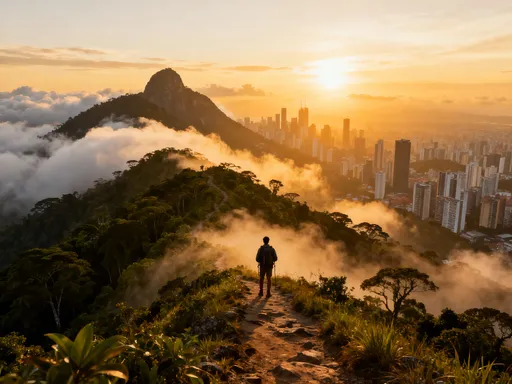
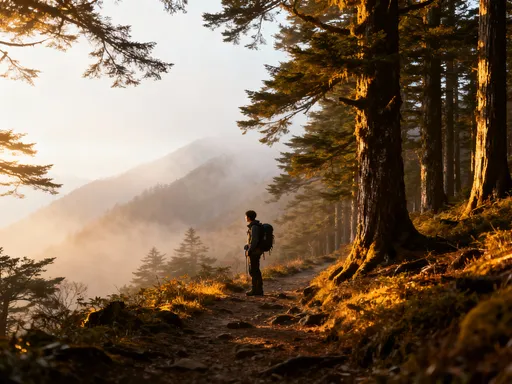
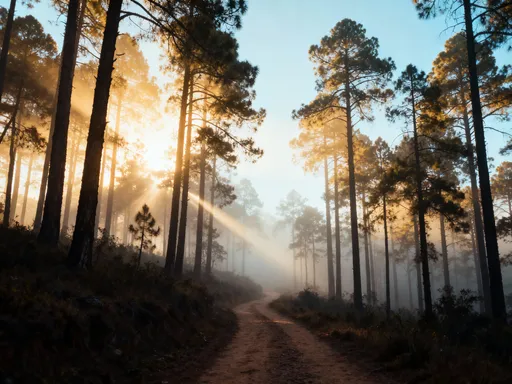
Kobe, often celebrated for its cosmopolitan charm and rich port history, holds a quieter, wilder secret within its borders—the vast green lungs of the Rokko Mountain range and its surrounding forest reserves. Nestled between the Seto Inland Sea and the inland highlands, Kobe enjoys a rare geographical blessing: a seamless transition from urban life to untouched nature. As I stepped onto one of the lesser-known forest paths just outside the city’s northern edge, the change was immediate. The hum of traffic faded, replaced by the soft rustle of bamboo leaves and the distant call of a Japanese bush warbler. Towering cedar and cypress trees formed a canopy that filtered sunlight into dappled patterns on the moss-covered ground, creating a cathedral-like serenity.
These protected areas are more than just scenic escapes—they serve critical ecological roles. The forests act as natural water filters, capturing rainfall and slowly releasing it into underground aquifers that supply clean water to the city. They also function as windbreaks and temperature regulators, mitigating the urban heat island effect that plagues many Japanese cities. Beyond their environmental utility, these zones are home to native species such as the Japanese marten, the green pheasant (Japan’s national bird), and a variety of rare orchids that thrive in the shaded understory. Seasonal changes bring new wonders: springtime azaleas burst into color, while autumn transforms the hillsides into a mosaic of reds and golds.
One moment remains etched in my memory—a fleeting glimpse of a wild boar rooting gently in the leaf litter, its piglets darting behind tree trunks. No cages, no signs, just life unfolding as it has for centuries. In that instant, I felt a deep connection not only to the land but to the generations who have protected it. Yet, as I would later learn, even the most well-meaning presence can disrupt this delicate balance. The beauty of these spaces is not merely in what we see, but in the invisible systems that sustain them—and those systems are more fragile than they appear.
The Pitfall of Popularity: When Beauty Becomes a Burden
The very qualities that make Kobe’s natural reserves so enchanting—their accessibility, beauty, and proximity to a major city—also make them vulnerable. In recent years, the rise of nature-based tourism has brought a surge of visitors to trails once enjoyed by only a few locals. While increased appreciation for nature is a positive development, the impact on the environment has been significant. During my visit in early autumn, a season renowned for its foliage, I encountered stretches of the trail littered with plastic wrappers, discarded beverage cans, and even food scraps left beneath trees. What should have been a pristine woodland felt, in places, like an extension of the city’s waste stream.
Crowding has introduced other, less visible harms. On one particularly busy Saturday, the main path up Mount Rokko was nearly impassable due to the volume of hikers. Conversations turned into shouts to be heard over the noise, and the natural quiet—so essential to wildlife behavior—was lost. Birds that typically call during daylight hours were silent, likely disturbed by the constant human presence. Some visitors, eager to capture the perfect photograph, veered off marked trails to stand among protected shrubs or climb onto fragile rock formations, causing soil compaction and root damage that can take decades to heal.
Local authorities have responded with thoughtful, science-based management strategies. Certain trails are rotated in and out of service to allow vegetation recovery, while others have implemented timed entry systems during peak seasons to regulate flow. Signage in multiple languages reminds visitors to stay on paths, refrain from feeding animals, and carry out all trash. Volunteer groups conduct regular clean-up events, and some areas now feature waste-sorting stations at trailheads. These efforts reflect a growing understanding that conservation is not passive—it requires active stewardship and public cooperation. The challenge lies in balancing openness with preservation, ensuring that these spaces remain accessible without being loved to death.
Missteps in the Wild: My Personal Mistakes
Despite my intentions to be a respectful visitor, I quickly realized that good intentions are not enough. On my second hike, eager to reach a secluded waterfall mentioned in an unofficial blog post, I followed a faint footpath that branched off the main trail. It wasn’t marked with any signage, but the worn dirt suggested others had passed through. Only later, after consulting an official park map, did I discover I had entered a designated research zone—off-limits to the public to protect ongoing biodiversity studies. My presence, however brief, could have disturbed sensitive monitoring equipment or even altered animal behavior in ways scientists were trying to measure.
Another misstep came in the form of something as simple as a snack. I had packed energy bars wrapped in plastic, thinking I was being responsible by avoiding perishables. But when I finished one halfway up the trail, I realized I had no way to dispose of the wrapper until I returned to the trailhead—an hour away. I carried it with me, of course, but the truth is, even biodegradable waste can harm ecosystems if not managed properly. Organic matter like apple cores or banana peels may seem harmless, but they introduce non-native microbes and attract animals to areas where they might encounter danger, such as roads or human settlements.
I also underestimated the importance of signage. At one junction, a faded notice in Japanese indicated a temporary closure due to landslide risks. I didn’t read it thoroughly and assumed the path was open. It wasn’t until a park ranger politely redirected me that I understood the gravity of the situation. That section of the trail had been weakened by recent rains, and even light foot traffic could trigger erosion. My ignorance nearly contributed to environmental damage and potential safety hazards. These experiences taught me that visiting protected areas is not just about personal enjoyment—it’s about responsibility, awareness, and humility. Every decision, no matter how small, ripples through the ecosystem.
Understanding Access Rules: Why Some Doors Are Closed
One of the most important lessons I learned is that “protected” does not mean “open to everyone, all the time.” Access restrictions in Kobe’s natural reserves are not arbitrary—they are rooted in science, safety, and cultural respect. Certain areas are closed seasonally to protect nesting birds, such as the Japanese wood pigeon, which requires undisturbed forest canopies during breeding months. Other zones are limited during rainy seasons to prevent soil erosion on steep slopes, particularly in the Rokko range where landslides are a known risk.
Cultural sensitivity also plays a role. Some forested areas near shrines or ancestral burial grounds are considered sacred and are not open to casual visitors. These sites are not merely scenic backdrops; they are part of living traditions that deserve quiet reverence. Even when no formal barriers exist, visitors are expected to observe silence, avoid photography, and refrain from leaving offerings or markers. Disregarding these norms can be deeply disrespectful to local communities.
Another challenge is the reliability of digital navigation tools. Many popular mapping apps do not reflect real-time closures or updated trail conditions. I once relied on a route suggested by a global navigation service, only to find it led directly into a restricted buffer zone around a protected spring. The discrepancy between online data and on-the-ground reality underscores the importance of consulting official sources—such as the Hyogo Prefecture Environmental Affairs Division or the Kobe City Greenery Office—before setting out. Printed trail maps available at visitor centers often include the most accurate and up-to-date information, including seasonal closures, wildlife alerts, and emergency contacts.
These rules may seem inconvenient, but they exist for a reason. Each restriction is a safeguard, designed to preserve the integrity of the ecosystem and ensure that future generations can experience the same wonders we do today. Understanding them is not just a matter of compliance—it’s a sign of respect for the land and the people who care for it.
How to Visit Responsibly: Practical Guidelines That Matter
Responsible visitation begins with preparation. Before heading into any protected area, travelers should check the official website of the managing authority for alerts, closures, and recommended practices. Many of Kobe’s nature trails are managed by municipal or prefectural agencies that provide detailed visitor guidelines, often in English. Contacting a local visitor center in advance can also yield valuable insights, such as which trails are best suited for beginners or which areas are currently under ecological restoration.
Once on the trail, the most important rule is simple: stay on marked paths. These routes are engineered to minimize environmental impact, avoiding sensitive root systems, water sources, and wildlife corridors. Straying from them, even by a few feet, can accelerate erosion and fragment habitats. Equally important is the practice of packing out all waste—this includes not only trash but food scraps, tissues, and hygiene products. Carrying a small reusable bag for waste ensures that nothing is left behind, no matter how far the hike.
Minimizing noise is another key consideration. Loud conversations, music, or sudden movements can stress animals and disrupt their natural behaviors. Speaking softly and moving calmly allows wildlife to remain undisturbed. It also enhances the visitor’s own experience, fostering a deeper sense of connection with the surroundings. For those traveling with children, this is an opportunity to teach respect for nature through quiet observation and curiosity.
Transportation choices also matter. Opting for public transit, such as the Kobe Municipal Bus or the Hankyu Railway line that runs near trail access points, reduces carbon emissions and parking congestion. Biking to trailheads is another eco-friendly alternative, especially on designated green routes. For those driving, using official parking areas prevents damage to roadside vegetation and ensures emergency vehicles can access the area if needed.
Finally, consider giving back. Many local conservation groups welcome volunteers for trail maintenance, reforestation, or educational outreach. Even a small donation to an environmental nonprofit supporting Kobe’s green spaces can make a difference. Responsible travel is not just about what we avoid doing—it’s about what we choose to contribute.
The Bigger Picture: How Kobe Balances Nature and City Life
Kobe’s approach to urban planning offers a model of sustainable coexistence. Unlike cities that expand unchecked, consuming surrounding forests and farmland, Kobe has long prioritized green belts and protected slopes as integral parts of its infrastructure. The city’s zoning laws restrict development on steep hillsides, preserving them as natural buffers against landslides and flooding—a critical function in a region prone to heavy rains and typhoons. These green zones also serve as carbon sinks, improving air quality and reducing the urban heat effect that can make summers unbearable in dense cities.
Beyond environmental benefits, access to nature has measurable impacts on public health. Studies conducted by Japanese public health agencies have shown that regular exposure to forest environments—known as “shinrin-yoku” or forest bathing—can lower cortisol levels, reduce blood pressure, and improve mood and concentration. Kobe’s proximity to such spaces means residents can enjoy these benefits without long commutes, contributing to overall well-being.
The city also invests in long-term ecological stewardship. Reforestation initiatives have restored native tree species to areas once degraded by logging or invasive plants. Wildlife monitoring programs track the movement of species like the Japanese dormouse and the Asiatic black bear (occasionally spotted in remote highlands), helping scientists understand migration patterns and habitat needs. Educational campaigns in schools and community centers promote environmental literacy, ensuring that the next generation grows up with a sense of responsibility toward nature.
Tourism, when managed thoughtfully, supports these goals. Entrance fees from visitors to certain parks and observation decks fund maintenance and conservation projects. Eco-tourism guides, trained in environmental ethics, lead small-group tours that emphasize education over entertainment. This synergy between urban life and natural preservation demonstrates that cities and wild spaces need not be at odds—they can thrive together when guided by foresight and care.
A Call to Preserve: Travelers as Guardians of Nature
My journey through Kobe’s protected areas changed the way I think about travel. I no longer see myself as a mere observer, but as a participant in a shared responsibility. Every footstep, every choice, carries weight. The quiet discipline of staying on the path, the mindfulness of carrying out waste, the humility of respecting closures—these are not restrictions, but acts of care. They reflect a deeper understanding that nature does not exist for our convenience, but as a living system we are privileged to witness.
The beauty of Kobe’s mountains and forests is not just in their vistas, but in their resilience—the way they continue to purify air, protect water, and shelter life despite the pressures of a growing city. This resilience is not infinite. It depends on choices made by individuals, communities, and governments. As travelers, we hold a unique power: the ability to visit with intention, to learn before we go, and to leave places better than we found them.
Let us move forward not as tourists seeking fleeting experiences, but as guardians of something greater. Let us teach our children to listen to the wind in the trees, to tread lightly, and to understand that preservation begins with awareness. Kobe’s natural legacy is not just Japan’s—it belongs to the world. And with mindful action, we can ensure it endures, not as a memory, but as a living, breathing reality for generations to come.