You Won’t Believe What I Ate in Warsaw — This City’s Food Scene Is Unreal
When I landed in Warsaw, I wasn’t expecting much from the food. Big mistake. From sizzling pierogi pulled fresh from boiling water to smoky street-side kiełbasa that smells like comfort, this city’s food culture is next-level. Every bite tells a story of history, resilience, and flavor passed down for generations. Trust me — Warsaw doesn’t just feed you, it wows you. What I discovered was far more than a collection of meals; it was a living, breathing expression of national pride, shaped by war, survival, and renewal. The Polish capital offers a culinary experience that balances deep-rooted tradition with quiet innovation, all served with unassuming warmth.
First Impressions: Walking into Warsaw’s Culinary Soul
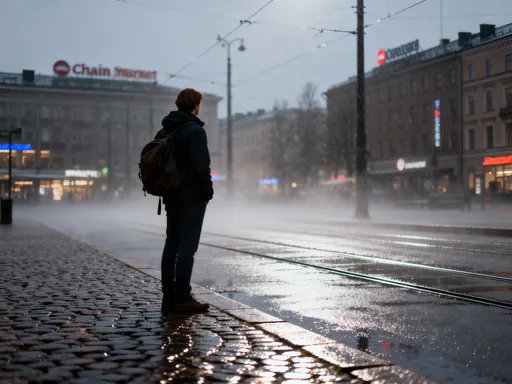
Stepping into central Warsaw, one is immediately struck by the city’s duality — a blend of reconstructed elegance and everyday resilience. The skyline features gleaming modern towers alongside meticulously restored 18th-century facades, a visual metaphor mirrored in its food culture. The scent of freshly baked rye bread drifts from small neighborhood bakeries, mingling with the sharp tang of sauerkraut simmering in nearby kitchens. On nearly every corner, street vendors tend grills where kiełbasa sizzles over open flames, releasing clouds of smoky aroma that draw in passersby like a siren’s call. These aren’t theatrical performances for tourists; they are part of daily life, a rhythm as familiar to locals as the morning commute.
What sets Warsaw apart from other European capitals is its lack of pretense. While cities like Paris or Milan may prioritize haute cuisine and curated dining experiences, Warsaw’s heart beats strongest in its neighborhood eateries, family-run milk bars, and bustling food halls. The food here is hearty, deeply satisfying, and rooted in necessity as much as tradition. Meals were once about survival — stretching ingredients, preserving flavors, feeding families through long winters and difficult times. Today, that legacy lives on not as a relic, but as a source of pride. The city’s culinary identity isn’t defined by exclusivity, but by accessibility and authenticity.
Yet modernity has not been ignored. Alongside traditional fare, you’ll find sleek cafes serving artisanal coffee, pop-up food markets highlighting seasonal produce, and young chefs experimenting with fermentation and foraging. This fusion of old and new creates a dynamic food landscape that feels both grounded and forward-thinking. Whether you’re seated on a plastic stool in a no-frills milk bar or enjoying a multi-course tasting menu in a converted warehouse, the experience is unified by a shared respect for ingredients, craftsmanship, and community. Warsaw’s food scene doesn’t shout — it invites you in, quietly and sincerely.
Pierogi: More Than Just Dumplings — A National Obsession
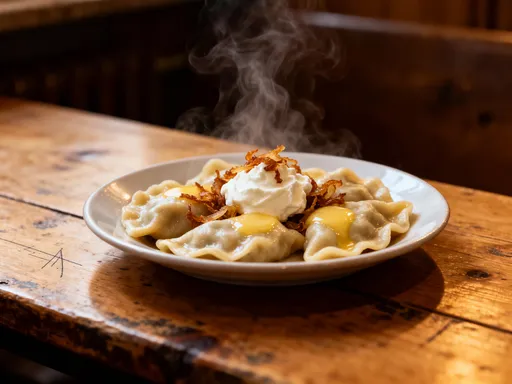
No discussion of Polish cuisine is complete without pierogi, the country’s most iconic dish. These half-moon-shaped dumplings, made from tender wheat dough and filled with a variety of savory or sweet ingredients, are more than just comfort food — they are cultural icons. In Warsaw, pierogi are not reserved for holidays or special occasions; they appear on everyday menus, in homes, and at street stalls, beloved across generations. The most common fillings include russet potato and farmer’s cheese (known as pyry z sierscią), sauerkraut and wild mushrooms, or minced meat. On the sweeter side, fillings like plum jam, sweet cheese, or blueberries offer a delightful contrast to the savory versions.
What elevates pierogi beyond mere sustenance is the ritual of their preparation. Traditionally made by hand, often by grandmothers who have spent decades perfecting their technique, each batch carries the weight of family history. The dough must be just right — pliable but not sticky, thin enough to cook quickly but strong enough to hold its filling. Once boiled, the dumplings are typically pan-fried in butter until golden, then served with a dollop of sour cream and a generous sprinkle of caramelized onions. The result is a harmonious blend of textures and flavors — soft, creamy, rich, and slightly tangy — that feels both indulgent and deeply familiar.
In recent years, Warsaw’s chefs have embraced creative interpretations without losing sight of tradition. Upscale restaurants now offer pierogi filled with duck confit, smoked salmon, or even truffle and goat cheese, appealing to adventurous palates while still honoring the form. Some places even experiment with colored dough made from beetroot or spinach, adding visual flair to the plate. Yet even with these innovations, the soul of the dish remains unchanged. Pierogi are more than a meal — they are a symbol of home, resilience, and continuity. To eat them in Warsaw is to participate in a living tradition, one that has sustained families through war, occupation, and transformation.
The Rise of Milk Bars: Affordable, Authentic, and Everywhere
One of the most remarkable aspects of Warsaw’s food culture is the enduring presence of milk bars — bar mleczny in Polish. Originating in the early 20th century and popularized during the Communist era, these government-subsidized canteens were designed to provide affordable, nutritious meals to workers and students. Today, they remain a vital part of the city’s culinary fabric, offering hearty Polish dishes at prices that seem almost unbelievable — often under five dollars for a full meal. While some have closed due to rising costs, many continue to operate, sustained by loyal local customers and a growing appreciation for their historical and cultural value.
Walking into a milk bar is an experience in itself. The decor is typically simple — linoleum floors, plastic tables, chalkboard menus written in Polish, and elderly staff who move with quiet efficiency. There’s no attempt at ambiance; the focus is entirely on the food. A typical menu includes bigos, a rich hunter’s stew made with sauerkraut, fresh cabbage, and various meats; kotlet schabowy, a breaded pork cutlet similar to Wiener schnitzel; and kapuśniak, a warming sauerkraut soup often served with a slice of dark rye bread. Meals are served in generous portions, emphasizing satisfaction over presentation.
What makes milk bars special is not just their affordability, but their authenticity. Unlike tourist-oriented restaurants that may simplify or adapt dishes for foreign tastes, milk bars serve food exactly as it has been prepared for generations. They are frequented primarily by locals — retirees, students, office workers — who appreciate both the taste and the value. Some newer establishments have taken inspiration from the milk bar concept, updating the interiors with retro-chic design while maintaining the same humble menu. These modern interpretations help introduce younger generations and visitors to traditional Polish cuisine without sacrificing accessibility.
Visiting a milk bar is more than a budget-friendly dining option; it’s a way to connect with Warsaw’s past. These spaces are living remnants of a different era, where food was a matter of public welfare and communal sustenance. In a world increasingly dominated by fast-casual chains and Instagrammable aesthetics, the milk bar stands as a quiet testament to simplicity, resilience, and shared culture. To eat here is to honor a tradition that values nourishment over novelty, substance over style.
Street Food Gems: Where Flavor Meets the Sidewalk
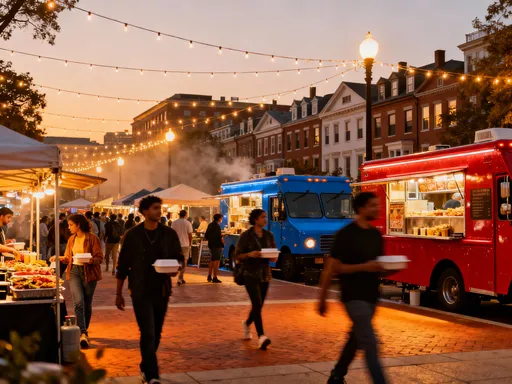
While milk bars represent the legacy of Warsaw’s culinary past, the city’s street food scene reflects its vibrant, evolving present. In recent years, street eating has transformed from a quick snack on the go to a dynamic expression of creativity and local pride. At Plac Zbawiciela, a bustling square in the city center, food trucks and pop-up stalls line the cobblestones, offering everything from vegan zapiekanka to duck skewers glazed with plum sauce. Hala Koszyki, a beautifully restored 19th-century market hall, has become a hub for gourmet street fare, blending tradition with contemporary flair.
One of the most beloved street foods is the zapiekanka — a long baguette split open, topped with sautéed mushrooms and cheese, then baked until bubbly and finished with ketchup and fresh parsley. Originally a student staple, it has evolved into a customizable favorite, with variations including ham, spinach, or even avocado and feta for modern palates. Another must-try is oscypek, a firm, smoky cheese made from salted sheep’s milk in the Tatra Mountains. Grilled until slightly charred and served with tangy cranberry sauce, it offers a bold, rustic flavor that lingers on the tongue.
What sets Warsaw’s street food apart is its emphasis on quality and origin. Many vendors source ingredients directly from regional farms, highlighting seasonal produce and traditional methods. You’ll find pickled vegetables made using family recipes, honey harvested from local apiaries, and bread baked with heirloom rye flour. This commitment to authenticity elevates street food from convenience to craftsmanship. Long lines often form at the most popular stands, not because of flashy marketing, but because word spreads through genuine satisfaction.
Street food in Warsaw is also inclusive and innovative. Vegan and vegetarian options are widely available, reflecting a growing awareness of dietary preferences and sustainability. Stalls offer plant-based versions of classic dishes, such as mushroom stroganoff in a bread bowl or beetroot tartare with sprouted grains. These adaptations do not dilute tradition; instead, they expand it, showing that Polish cuisine can evolve without losing its essence. For visitors, exploring the street food scene is one of the best ways to experience the city’s energy — casual, diverse, and full of surprises.
Coffee Culture: Quiet Cafés with Big Personalities
Beyond its savory dishes, Warsaw has cultivated a coffee culture that rivals those of London, Berlin, or Melbourne. Hidden down narrow alleys or tucked inside repurposed tenement buildings, independent cafes offer a sanctuary from the city’s pace. These are not chain outlets with standardized menus, but intimate spaces where coffee is treated as both craft and ritual. Baristas weigh beans with precision, monitor water temperature closely, and pour milk with artistic care. Single-origin beans from Ethiopia, Colombia, and Kenya are roasted locally, emphasizing freshness and terroir.
Establishments like Coffeetool and Warsaw Coffee Company have become destinations in their own right, attracting both caffeine connoisseurs and curious newcomers. The atmosphere in these cafes is deliberate — soft lighting, exposed brick walls, wooden furniture, and carefully curated music create a sense of calm. Bookshelves line the walls, and patrons often linger for hours with laptops, notebooks, or novels. These spaces are more than places to drink coffee; they are community hubs, places for conversation, reflection, and creativity.
What makes Warsaw’s coffee scene particularly meaningful is its symbolic role in the city’s recovery and reinvention. After the devastation of World War II, when much of the city lay in ruins, rebuilding was not just physical but cultural. The emergence of independent cafes in the 21st century represents a reclaiming of space, time, and individuality. In a society that once prioritized collective survival over personal expression, these quiet corners offer permission to pause, to savor, to be still. Drinking a perfectly brewed pour-over in a sunlit café is not just a sensory pleasure — it is an act of peace.
Yet the coffee culture remains approachable. Prices are reasonable, service is warm, and there is no pressure to conform to a particular aesthetic. Whether you’re ordering a flat white or a simple filter coffee, you’re treated with the same respect. This balance of sophistication and humility mirrors the city itself — elegant without being elitist, modern without forgetting its roots. For visitors, spending an hour in one of these cafes is a gentle introduction to Warsaw’s quieter, more contemplative side.
Modern Twists: How Warsaw’s Chefs Are Reinventing Tradition
While tradition forms the foundation of Warsaw’s cuisine, a new generation of chefs is redefining what Polish food can be. In restaurants like Atelier Amaro and Nolita, classic ingredients are transformed through modern techniques, resulting in dishes that are both surprising and deeply rooted. These are not attempts to erase the past, but thoughtful reinterpretations that honor it. The goal is not to replace pierogi or bigos, but to show their potential when viewed through a contemporary lens.
At Atelier Amaro, the tasting menu features dishes such as beetroot tartare with horseradish cream, fermented rye bread ice cream, and smoked carp served with apple foam and pickled elderberries. Each course is a study in balance — earthy, sweet, acidic, and umami notes layered with precision. The presentation is artistic, but never at the expense of flavor. Similarly, Nolita blends Polish heritage with Mediterranean influences, offering dishes like duck breast with red cabbage compote and buckwheat gnocchi, or venison with juniper and wild mushrooms. These meals are not fast; they are meant to be savored, each bite inviting contemplation.
What unites these modern restaurants is a deep respect for ingredients. Many chefs work directly with local farmers, foragers, and artisans, sourcing honey, herbs, mushrooms, and dairy from small producers across the countryside. Fermentation, curing, and pickling — traditional preservation methods — are used not out of necessity, but as tools for enhancing flavor and sustainability. Menus change frequently based on seasonal availability, ensuring freshness and reducing waste.
This culinary movement is not about chasing trends or earning Michelin stars — though recognition has followed. It is about reconnection. After decades of political and economic upheaval, younger Poles are reclaiming their heritage with curiosity and pride. By reimagining traditional dishes, they are not rejecting the past, but conversing with it. Dining in these restaurants feels like witnessing a quiet revolution — one where history is not discarded, but reinterpreted with care, creativity, and respect. For visitors, it offers a rare opportunity to experience Polish cuisine in its most evolved form.
Practical Tips: Eating Like a Local Without Getting Lost
To fully appreciate Warsaw’s food culture, a few practical considerations can make all the difference. Timing and location play a crucial role in the experience. For example, visiting Hala Mirowska or Hala Koszyki in the late morning or early afternoon ensures a lively atmosphere without overwhelming crowds. These indoor markets offer a wide variety of food options, from traditional dishes to international fusion, all in a historic setting. Arriving early also increases your chances of trying freshly made items before they sell out.
While English is widely spoken in tourist areas, learning a few basic Polish phrases can enhance your interactions. A simple “Dziękuję” (thank you) or “Proszę” (please) goes a long way in showing respect and building rapport with vendors and staff. Many older proprietors, especially in milk bars and neighborhood shops, appreciate the effort, even if they respond in English. A friendly smile and patient demeanor will open more doors than any phrasebook.
When it comes to payment, cash is still preferred in many traditional settings. Milk bars, street vendors, and smaller market stalls often operate on a cash-only basis, so carrying small bills is advisable. While contactless payments are increasingly common in cafes and modern restaurants, having zlotys on hand ensures you won’t miss out on hidden gems due to payment limitations. ATMs are readily available throughout the city, but it’s wise to withdraw some cash upon arrival.
Breakfast in Warsaw is not an afterthought. Many locals begin their day with a visit to a corner bakery for a chałka — a soft, slightly sweet braided bread — or a slice of sernik, a dense, creamy cheesecake made with twaróg (farmer’s cheese). Paired with a strong cup of coffee, it’s a simple yet satisfying start. Some cafes also offer savory options like boiled eggs, cold cuts, or open-faced sandwiches with fresh cheese and herbs. Starting your day this way not only fuels you for exploration but immerses you in the rhythm of local life.
Finally, be open to the unmarked and the unexpected. Some of the best meals in Warsaw come from places with no signage, no website, and no online reviews — just the unmistakable aroma of something delicious wafting from an open kitchen door. Trust your senses, follow the locals, and don’t be afraid to point at what others are eating. Authenticity often lies off the beaten path, in places that exist not for tourism, but for community.
Conclusion
Warsaw’s food culture is a revelation — deeply traditional, quietly innovative, and full of soul. It does not rely on spectacle or social media trends to prove its worth. Instead, it speaks through flavor, through the warmth of a server’s smile, through the care that goes into every handmade pieróg and every slow-roasted bean. This is a cuisine shaped by history, by hardship, and by an enduring love for the land and its people.
To eat in Warsaw is to understand it. Each meal is a chapter in a larger story — one of survival, rebuilding, and quiet pride. Whether you’re savoring a smoky kiełbasa from a street grill, discovering the comforting richness of bigos in a milk bar, or experiencing the artistry of modern Polish gastronomy, you are participating in a living culture. The city doesn’t shout about its offerings; it lets them speak for themselves.
What stays with you long after your visit is not just the taste, but the feeling — of being welcomed, of being fed not just physically, but emotionally. Warsaw feeds you gently, powerfully, and in a way that lingers. So go. Taste. Stay curious. And above all, stay hungry — for food, for stories, for connection. Because in Warsaw, every bite has meaning.