You Gotta See These Hidden Natural Escapes in Mexico City
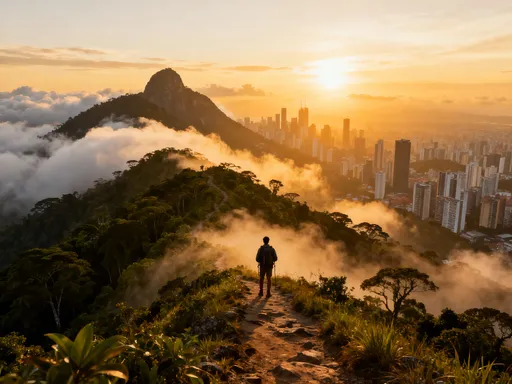
Who said Mexico City is just chaos and concrete? I was shocked too—until I stumbled upon its wild green secrets. Beyond the bustling streets, there are forests, volcanoes, and lakes that feel worlds away. As someone who came for the culture but stayed for the nature, let me show you how this urban giant cradles some of the most breathtaking landscapes in Mexico. It’s not just possible to connect with nature here—it’s essential.
Reimagining Mexico City: More Than Urban Chaos
Mexico City is often portrayed as a sprawling metropolis where traffic hums day and night, and skyscrapers stretch endlessly into the smoggy sky. Yet this image only captures one side of the capital. Nestled within the Valley of Mexico at over 7,300 feet above sea level, the city is surrounded by a dramatic ring of mountains and ancient volcanoes that have shaped both its climate and character. This high-altitude basin creates a unique environment where urban life and natural beauty coexist in surprising harmony. The city’s geography is not just a backdrop—it’s an invitation.
While millions walk its busy avenues and explore its museums and markets, many are unaware that within an hour’s drive from the historic center, they can stand atop misty pine forests, hike along volcanic ridges, or glide across centuries-old waterways. These natural escapes are not hidden because they’re inaccessible; they’re overlooked because the city’s cultural energy is so compelling. But for those willing to look beyond the surface, Mexico City reveals itself as a destination where nature isn’t on the outskirts—it’s interwoven into the urban fabric.
The city’s volcanic past has gifted it with fertile soil and elevated terrain, making it one of the most biodiverse urban regions in North America. From the slopes of Ajusco to the wetlands of Xochimilco, native plants and animals thrive in protected zones and national parks. These areas serve as ecological lungs for the city, filtering air, regulating temperature, and offering residents a vital connection to the land. Recognizing this balance transforms the way one experiences Mexico City—not as a concrete jungle, but as a living, breathing ecosystem with urban energy pulsing through its veins.
Chapultepec Park: The Green Heart of the City
At the center of Mexico City’s green network lies Chapultepec Park, a vast oasis spanning over 1,600 acres across three distinct sections. Known locally as “Bosque de Chapultepec,” this urban forest has served as a retreat for emperors, presidents, and everyday families for centuries. Today, it remains one of the most visited public spaces in Latin America, offering a rare blend of recreation, history, and nature in the middle of the capital. More than just a park, it’s a sanctuary where city dwellers reconnect with trees, water, and open sky.
The park’s two main lakes attract joggers, paddle boaters, and birdwatchers alike. Early mornings are especially peaceful, when mist hovers above the water and the calls of migratory birds echo through the trees. Herons, kingfishers, and even the occasional green parakeet can be spotted among the willows and cypresses. Along the shaded pathways, it’s common to see iguanas basking on rocks or scurrying across the trails—gentle reminders that wildlife thrives here. The park is also home to several museums, including the renowned National Museum of Anthropology, blending cultural enrichment with natural beauty.
For visitors, navigating Chapultepec is straightforward. The main entrances are accessible via metro stations such as Juanacatlán and Constituyentes, making it easy to reach without a car. The first section, closest to the metro, features the zoo and the iconic Children’s Museum, ideal for families. The second and third sections offer quieter trails, fountains, and panoramic views from the Castle of Chapultepec, once a royal residence and now a historical museum. To truly enjoy the park, it’s best to arrive early—before 9 a.m.—when temperatures are cooler and crowds are light.
Whether you’re taking a leisurely stroll, renting a paddleboat, or simply sitting beneath a towering ahuehuete tree, Chapultepec offers a restorative pause in the rhythm of city life. It’s a place where generations gather, where couples walk hand in hand, and where parents watch their children feed ducks by the shore. In a city that never slows down, this green heart beats steadily, reminding everyone that nature is not a luxury—it’s a necessity.
Ajusco: Hiking Right on the City’s Doorstep
For those craving a more rugged adventure, Cerro Ajusco offers one of the most rewarding high-altitude hikes within reach of Mexico City. Standing at 3,930 meters (about 12,894 feet), it is the highest peak in the capital and part of the Sierra de Ajusco-Chichinauhtzin mountain range. Despite its elevation, the trail is accessible to moderately fit hikers and provides an unparalleled sense of escape—just a short journey from the urban sprawl. The climb rewards visitors with sweeping views of the valley, where the city fades into a distant haze beneath a blanket of clouds.
The most popular route begins in the southern neighborhood of San Miguel Ajusco, where a well-marked dirt path winds upward through pine and oyamel fir forests. The ascent covers roughly 6 kilometers (3.7 miles) one way, with a steady elevation gain that challenges the lungs due to the thin air. Hikers should allow three to four hours for the round trip, depending on pace and rest stops. Along the way, the scent of damp earth and pine fills the air, and the only sounds are wind rustling through the trees and the occasional call of a mountain bird. In winter months, temperatures at the summit can dip below freezing, and frost often coats the rocks at sunrise.
Reaching the top is a moment of quiet triumph. The panoramic vista includes the snow-capped peaks of Popocatépetl and Iztaccíhuatl on clear days, as well as the vast expanse of the Valley of Mexico stretching in every direction. Many hikers choose to pause here, sipping hot tea from a thermos or sharing snacks while soaking in the silence. It’s a powerful contrast to the noise and motion of the city below—proof that stillness and solitude are within reach, even in one of the world’s largest urban centers.
Preparation is key for a safe and enjoyable experience. Hikers should wear layered clothing, sturdy footwear, and bring plenty of water, as there are no facilities along the trail. Sunscreen and sunglasses are essential due to the intense high-altitude UV exposure. While public transportation options exist—such as taking the Metrobús to Tlalpan and transferring to a local colectivo—many prefer to travel by car or organized tour for convenience and safety. The best times to visit are during the dry season, from November to April, when trails are less slippery and visibility is at its peak.
Desierto de los Leones: Where Forest Meets History
Just 20 kilometers southwest of central Mexico City lies Desierto de los Leones National Park, a serene woodland retreat that feels like stepping into another world. Its name, which translates to “Desert of the Lions,” is a misnomer born from history rather than geography—this is no desert, but a lush, high-altitude forest of pines, oyameles, and cedars. Established in 1917, it was Mexico’s first national park and remains one of the best-preserved natural areas near the capital. The park’s cool, moist air and filtered sunlight create a tranquil atmosphere, making it a favorite among families, hikers, and those seeking spiritual reflection.
The park’s origins date back to the 17th century, when it housed a Discalced Carmelite monastery, now in ruins. The remains of the stone convent, including archways and cloisters, stand quietly amid the trees, adding a layer of historical depth to the natural beauty. Visitors often pause here, captivated by the blend of nature and heritage. The forest itself is part of the Trans-Mexican Volcanic Belt, and its rich soil supports a wide variety of plant and animal life. Deer, foxes, and over 100 species of birds call this place home, though many are shy and best seen in early morning hours.
Multiple trails wind through the park, ranging from gentle paths suitable for children to steeper routes that lead to viewpoints overlooking the valley. One popular loop takes hikers past the old aqueduct and the monastery ruins before climbing to Mirador La Cruz, where benches offer a peaceful spot to rest and take in the scenery. The park’s elevation—around 3,600 meters—means temperatures remain cool year-round, often 10 to 15 degrees Celsius cooler than in the city. This makes it an ideal escape during hot summer months or smoggy winter days.
Access is straightforward, with well-maintained roads leading from the southern boroughs of Álvaro Obregón and Tlalpan. Parking is available on-site, though spaces fill quickly on weekends. The park opens daily from 7 a.m. to 5 p.m., and there is a small entrance fee that supports conservation efforts. Basic visitor facilities include restrooms, picnic areas, and food stalls selling hot drinks and traditional snacks like atole and tlacoyos. To avoid crowds, it’s best to visit on weekdays or arrive early in the morning. Because of its popularity, some areas can become littered, so visitors are encouraged to follow “leave no trace” principles and carry out all waste.
Xochimilco’s Floating Gardens: Nature with a Cultural Twist
No visit to Mexico City is complete without experiencing Xochimilco, but most tourists only see one side of it—the colorful trajineras, the music, the parties. Beyond the festive boats, however, lies a much older and more meaningful story: that of the chinampas, artificial islands created by the Aztecs over 1,000 years ago. These floating gardens are not just a tourist attraction—they are a UNESCO-recognized cultural landscape and a functioning agricultural system that continues to support local farmers, known as chinamperos. Xochimilco represents a living dialogue between humans and nature, where tradition sustains both food and ecosystem.
The chinampa system was ingeniously designed to maximize fertile land in a lake-based environment. Farmers built rectangular plots by layering mud, decaying vegetation, and reeds, then anchored them with willow trees to prevent erosion. Today, these islands grow a variety of crops, including lettuce, cilantro, radishes, and the rare and prized axiote (annatto seed). The canals between them teem with aquatic life, including the endangered axolotl, a unique salamander native only to this region. Protecting these waterways is critical—not just for tourism, but for biodiversity and local livelihoods.
To truly appreciate Xochimilco, visitors should go beyond the main embarcadero and seek quieter canals where the rhythm of farming life continues. Hiring a trajinera early in the morning—before 9 a.m.—ensures calmer waters, fewer crowds, and better opportunities to see birds like herons, kingfishers, and even egrets. Opting for a non-motorized trajinera or walking along the Camino Real de Xochimilco offers a more immersive experience. Many local cooperatives now offer eco-tours led by chinamperos, who share knowledge about sustainable farming and native species.
Supporting responsible tourism means choosing vendors who respect the environment, avoiding plastic, and refraining from loud music that disturbs both wildlife and residents. While the festive atmosphere has its place, the soul of Xochimilco lies in its quiet resilience—the way it has endured centuries of change and still feeds the city in more ways than one. By visiting with awareness, travelers help preserve this unique ecosystem for future generations.
Teotihuacán’s Natural Surroundings: Beyond the Pyramids
Most visitors come to Teotihuacán to walk the Avenue of the Dead, climb the Pyramid of the Sun, and marvel at ancient engineering. But few take time to notice the natural landscape that frames these monumental ruins. Located about 50 kilometers northeast of Mexico City, the archaeological site sits within a semi-arid highland region characterized by volcanic soil, grasslands, and low shrubs. This environment is not just a setting—it’s part of the story. The builders of Teotihuacán chose this location not only for its spiritual significance but also for its natural resources, including water sources and building materials from nearby hills.
The surrounding area is home to a variety of wildlife, including rabbits, hawks, and lizards that dart between rocks and dry grasses. Birdwatchers may spot the crested caracara or the white-tailed hawk soaring above the ruins. The site’s elevation—around 2,300 meters—means mornings are crisp and afternoons are sunny, creating ideal conditions for both exploration and reflection. While the pyramids draw the crowds, the quieter trails along the site’s periphery offer solitude and a deeper connection to the land.
Visitors can enhance their experience by combining the cultural visit with a short nature walk. The trail leading toward the Cerro Gordo volcano, for example, offers panoramic views of the entire city of Teotihuacán and the surrounding valley. Though not a long hike, it provides a different perspective—one that shows how the ancient city was integrated into its natural environment rather than imposed upon it. This harmony between human creation and ecological context is a hallmark of Mesoamerican urban planning.
For those arriving by bus or tour, timing is important. The site opens at 9 a.m., but arriving early helps avoid both heat and crowds. Public buses depart regularly from Mexico City’s Terminal del Norte, making the trip accessible without a car. Many visitors choose to spend half a day at the ruins and use the afternoon to explore nearby ecological reserves like San Juan Teotihuacán, which offers guided nature trails and community-led conservation programs. By extending the visit beyond the stones, travelers gain a fuller understanding of how culture and nature have shaped this region for thousands of years.
Why Connecting with Nature Enhances Your Mexico City Trip
A journey to Mexico City is often planned around museums, markets, and monuments—and rightly so. The capital’s cultural richness is unmatched. But to experience the city in its fullness, one must also step into its natural landscapes. These green and wild spaces are not distractions from the urban experience; they are essential threads in its fabric. They offer balance—fresh air after city smog, silence after street noise, movement after long museum hours. More than that, they provide a deeper understanding of Mexico itself, where nature has always been revered, cultivated, and protected.
Spending time in places like Chapultepec, Ajusco, or Xochimilco does more than refresh the body—it grounds the spirit. Studies have shown that exposure to nature reduces stress, improves mood, and enhances cognitive function. For travelers, this means returning home not just with photos and souvenirs, but with a renewed sense of well-being. For mothers, caregivers, and busy professionals—many of whom make up the core of family travel—these moments of peace are not indulgences. They are acts of self-care, quiet rebellions against constant motion.
Mexico City’s natural escapes also tell a story of resilience. The chinampas of Xochimilco have survived colonization, urbanization, and pollution. The forests of Desierto de los Leones have been protected for over a century. The slopes of Ajusco remain accessible to all, regardless of background or income. These spaces belong to everyone, and their preservation is a shared responsibility. When visitors choose to walk lightly, support local communities, and respect park rules, they become part of that legacy.
So as you plan your trip, don’t see nature as an add-on. Make it a priority. Let your itinerary include a sunrise hike, a quiet paddle, or a forest picnic. Let your children climb rocks, spot birds, and learn how ancient farmers fed a city with mud and reeds. In doing so, you don’t just see Mexico City—you feel it. And in that feeling, you discover a truth long known to its residents: that the soul of this city isn’t just in its streets, but in its soil, its water, and its trees. The wild heart of Mexico beats here, and it’s waiting to be found.