You Won’t Believe This Secret Dinner in the Maasai Mara
Deep in the heart of Kenya’s Maasai Mara, far from city lights and crowds, I stumbled upon a dining experience that felt almost magical. Imagine sitting under a sky bursting with stars, surrounded by the quiet breath of the wild, while savoring flavors that blend Maasai tradition with modern elegance. This isn’t just dinner—it’s a story told through food, fire, and the whispers of the savanna. I never expected such luxury and authenticity to coexist so seamlessly. In that stillness, with the scent of woodsmoke in the air and distant hyena calls echoing across the plains, I realized I was part of something rare: a meal that transcends taste and becomes memory.
The Hidden Allure of Maasai Mara Beyond Safari
Most travelers arrive in the Maasai Mara chasing one of nature’s greatest shows—the Great Migration. Each year, over a million wildebeest thunder across the grasslands, drawing photographers, wildlife enthusiasts, and adventure seekers from around the globe. The drama of river crossings, the tension between predator and prey, and the sheer scale of movement are undeniably awe-inspiring. Yet, beyond the dust-covered game drives and early morning sightings lies a quieter, deeper dimension of this iconic landscape—one rooted in culture, community, and centuries-old traditions.
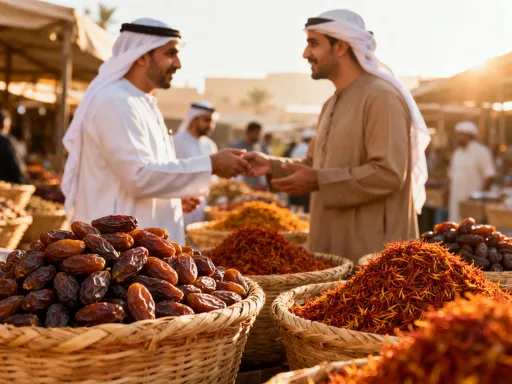
The Maasai people, semi-nomadic pastoralists known for their vibrant red shukas and intricate beadwork, have lived in harmony with this ecosystem for generations. Their knowledge of the land, its rhythms, and its creatures is profound. While wildlife often takes center stage, a growing number of travelers are discovering that the true soul of the Maasai Mara pulses not just in the roar of a lion, but in the rhythm of a drum, the warmth of a shared fire, and the taste of food prepared with intention. Specialty dining experiences, often hosted in collaboration with Maasai guides and elders, are opening doors to this hidden world.
These gatherings are not staged performances for tourists. Instead, they emerge from genuine partnerships between conservation-minded lodges and local communities. Many eco-camps now offer curated cultural evenings where food becomes the medium for storytelling. A simple meal transforms into a narrative—one that speaks of resilience, respect for nature, and the enduring spirit of a people who have long protected this land. Travelers don’t just observe; they participate, listen, and often leave with a renewed sense of connection.
What makes this shift remarkable is its subtlety. These experiences are rarely advertised with flashy slogans or social media campaigns. They are shared quietly, passed along through traveler recommendations and personal invitations. This discretion protects the integrity of the experience, ensuring it remains intimate and meaningful rather than commercialized. For the discerning visitor, especially those seeking more than checklist tourism, these moments offer a rare glimpse into the heart of East Africa’s cultural heritage.
What Makes Specialty Dining in the Wild So Unique?
Dining in the Maasai Mara is unlike any restaurant experience one might find in a city. It is not defined by white tablecloths or sommeliers, though elegance is never absent. Instead, its uniqueness lies in the totality of the moment—the setting, the sounds, the scents, and the people who prepare and share the meal. It is an invitation to slow down, to be present, and to engage with the environment in a deeply sensory way.
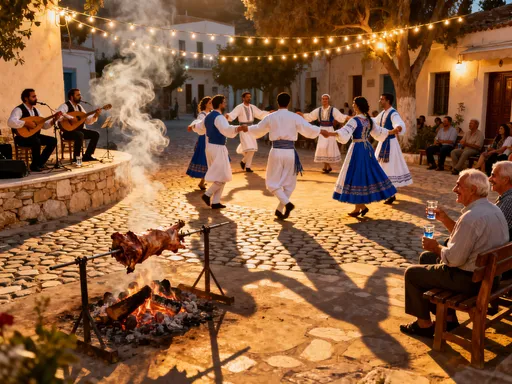
Imagine being led along a soft dirt path as dusk settles, the air cooling around you. You emerge into a clearing where a long wooden table stands beneath a canopy of acacia trees. Lanterns hang from branches, casting a warm, flickering glow. The only light beyond that comes from the flames of a central fire pit, where skewers of meat slowly turn over glowing embers. There are no walls, no roof—only the vast African sky above, beginning to sparkle with stars. This is not a constructed set; it is the savanna itself, offering its own natural theater.
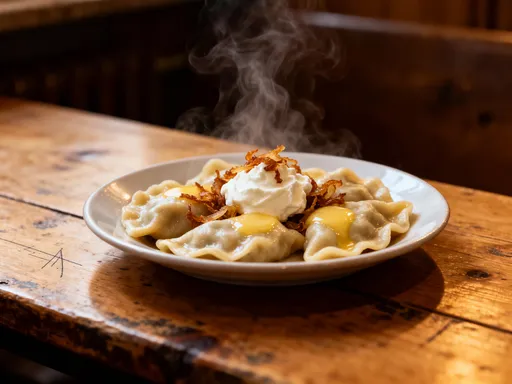
The menu reflects this harmony between place and tradition. Meals often begin with a welcome drink—a refreshing blend of hibiscus, lemongrass, and local honey, served in hand-carved wooden cups. The main courses feature ingredients sourced as close to the land as possible. Grass-fed beef, goat, or chicken are seasoned with aromatic herbs and grilled to perfection. Side dishes include ugali, a firm maize porridge that serves as a staple across East Africa, and sukuma wiki, a sautéed green leafy vegetable similar to kale. These are not exotic novelties; they are foods that have sustained communities for generations.
What elevates the experience is the layering of cultural elements. Between courses, a Maasai elder may share a proverb or recount a legend about the origins of their people. A group of warriors might perform an adumu, the traditional jumping dance, their voices rising in rhythmic harmony. These moments are not interruptions to the meal—they are part of it. The dinner becomes a multisensory journey, where taste is accompanied by sound, sight, and story. It is this integration that leaves a lasting impression, long after the last bite has been eaten.
Why This Secret Experience Is Worth Seeking Out
In an era where travel can feel increasingly standardized—where luxury often means identical five-star amenities no matter the destination—experiences like this stand out precisely because they cannot be replicated. They are rooted in a specific place, shaped by its people, and made possible by a deep respect for tradition and nature. This is not about spectacle; it is about authenticity.
Many travelers return from safaris with incredible photographs and thrilling memories of animal encounters. But those who have shared a meal under the stars in the Maasai Mara often speak of a different kind of transformation—one that is more emotional, more personal. There is something profoundly moving about eating in silence while listening to the distant call of a jackal or the rustle of a nocturnal creature in the grass. In that stillness, a sense of humility emerges. One feels small, not in a disempowering way, but in a way that fosters gratitude and perspective.
This form of dining also fosters human connection. At a time when many of us live busy, fragmented lives, the act of sharing a meal with strangers—guided by hosts who are deeply rooted in their culture—can be unexpectedly healing. Conversations flow easily. Laughter comes naturally. Stories are exchanged. The usual barriers of language and background seem to soften under the weight of shared experience.
Moreover, these dinners are not designed to exploit or commodify Maasai culture. On the contrary, they are structured to honor it. Participants are not passive observers but respectful guests. They are encouraged to ask questions, to listen, and to engage with curiosity and humility. The goal is not entertainment, but education and mutual understanding. When done right, this kind of cultural exchange enriches everyone involved—travelers, hosts, and the communities that support them.
How to Find and Access These Exclusive Dining Experiences
Because these dinners are intentionally low-key, they are not always easy to find. They are rarely listed on standard travel booking platforms or mainstream safari itineraries. The best way to access them is through selective, high-end eco-lodges and conservation-focused tour operators that prioritize community engagement and sustainable tourism.
Several private conservancies adjacent to the Maasai Mara National Reserve have become leaders in this space. These conservancies, often managed in partnership with local landowners, offer a quieter, more intimate alternative to the busier public parks. Many of their camps—such as those in the Naboisho, Olare Motorogi, or Mara North Conservancies—include specialty dining events as part of extended stay packages. These may be called “bush banquets,” “cultural evenings,” or “starlit feasts,” and are typically offered once or twice a week during peak seasons.
Travelers should inquire directly when making reservations. A simple question—“Do you offer any special cultural or dining experiences during the stay?”—can open the door to something unforgettable. It is also wise to book well in advance, especially for travel between July and October, when the Great Migration draws the largest crowds. Availability for these events is limited, often accommodating only 12 to 20 guests at a time to preserve intimacy.
Another way to access these experiences is through guided cultural tours that focus on Maasai village visits combined with culinary elements. Some operators arrange for guests to visit a local manyatta (a traditional homestead), learn about daily life, and then enjoy a meal prepared with traditional methods. While these are different from the luxury bush dinners, they offer another authentic way to connect with Maasai culture through food.
The key is choosing accommodations and operators that emphasize sustainability, local employment, and cultural respect. Look for lodges that employ Maasai guides, chefs, and staff; that source ingredients locally; and that contribute to community development projects. These values are often reflected in their storytelling and guest communications. When in doubt, read reviews from past travelers or consult with a trusted travel advisor who specializes in East African safaris.
What to Expect: A Step-by-Step Evening Under the Stars
The magic of this secret dinner unfolds gradually, like the fading light of the African sunset. The experience typically begins in late afternoon, after a day of wildlife viewing. Guests return to camp, freshen up, and are invited for a light tea or cocktail before the evening’s main event. Around 6:00 PM, as the sky begins to deepen into shades of orange and purple, a guide gently announces that it’s time to depart for dinner.
Guests are led on a short, guided walk—usually 10 to 15 minutes—through the bush. The path is softly lit with lanterns, and the guide walks ahead, pausing occasionally to point out tracks or listen for nocturnal sounds. This walk serves as a transition, helping guests shift from the pace of the day to the stillness of the night. It is also a moment of heightened awareness—of rustling grass, of distant animal calls, of the cool breeze moving through the trees.
Upon arrival at the dining site, the scene is already set. Long tables are covered in crisp linens, adorned with wildflowers, and lit by clusters of candles and lanterns. Chairs are comfortable but simple, made of wood or canvas. The centerpiece is the fire pit, where chefs tend to the main dishes. The air is rich with the aroma of roasting meat, spiced stews, and freshly baked bread. A welcome drink is handed to each guest—perhaps a warm spiced tea, a botanical gin infusion, or a non-alcoholic tamarind cooler.
Dinner is served in courses, each introduced with a brief explanation. The first course might be a salad of local greens with a citrus dressing, followed by a hearty soup made with pumpkin or lentils. The main course features grilled meats, often accompanied by traditional sides and chutneys made from mango or pineapple. Dessert could be a simple but delicious banana cooked in foil over the fire, served with honey and crushed nuts. Throughout the meal, guides or Maasai hosts share insights about the ingredients, the cooking methods, and the cultural significance of certain dishes.
Between courses, moments of cultural expression are woven in. A Maasai elder might share a story about the importance of cattle in their society. A group of singers may perform a call-and-response song, inviting guests to clap along. At some events, guests are invited to try basic beadwork or learn a few words in Maa, the Maasai language. These interactions are never forced; they flow naturally, enhancing the evening’s warmth and authenticity.
As the final course is cleared, the sky is now fully dark, revealing the Milky Way in breathtaking clarity. Coffee or tea is served, and guests are encouraged to simply sit, listen, and look up. The sounds of the night—crickets, owls, the occasional lion roar—become part of the experience. There is no rush to return. The evening ends when the group is ready, often with a slow walk back to camp, guided by starlight and the occasional flashlight.
Balancing Luxury and Authenticity: The Role of Eco-Lodges
The rise of specialty dining in the Maasai Mara reflects a broader evolution in safari tourism—one that values sustainability, cultural integrity, and meaningful connection over mere opulence. Eco-lodges are at the forefront of this shift, redefining what luxury means in the wilderness. It is no longer just about plush bedding or private plunge pools; it is about creating experiences that are enriching, responsible, and deeply human.
Many of these lodges are designed to blend into the landscape, using natural materials like stone, wood, and thatch. They operate off-grid, powered by solar energy, and use water-saving systems to minimize their environmental footprint. Waste is carefully managed, with composting and recycling programs in place. Even the serveware is thoughtfully chosen—bamboo plates, metal cutlery, and glassware that can be reused, reducing reliance on single-use plastics.
Equally important is their commitment to local communities. A growing number of lodges employ chefs trained in both international and traditional Kenyan cuisine, creating menus that honor local flavors while meeting guest expectations. Ingredients are sourced from nearby farms and cooperatives, supporting regional agriculture. Some camps even maintain their own organic gardens, growing vegetables, herbs, and fruits used in daily meals.
Perhaps most significantly, these lodges ensure that cultural experiences are led by members of the Maasai community. Elders, warriors, and women artisans are not performers but partners, compensated fairly and given a platform to share their heritage on their own terms. This model fosters dignity, pride, and economic opportunity, helping to preserve traditions that might otherwise fade.
By integrating these values into every aspect of the guest experience, eco-lodges are proving that luxury and responsibility can coexist. The secret dinner is not an isolated event; it is a reflection of a larger philosophy—one that sees travel as a force for good. When guests leave, they carry more than memories; they carry a deeper understanding of the places they’ve visited and the people who call them home.
Final Thoughts: Why This Secret Dinner Changes How You See Travel
Sitting under the Milky Way, spoon in hand, listening to a Maasai song passed down for generations, I realized something profound: travel at its best isn’t about ticking boxes. It’s about moments that shift your perspective. This hidden dinner wasn’t just a meal—it was a bridge between worlds. It reminded me that the most meaningful journeys are not measured in miles, but in moments of connection.
For women between 30 and 55—many of whom balance family, career, and personal well-being—travel can be a rare opportunity for renewal. It is a chance to step away from routine, to breathe deeply, and to reconnect with what matters. Experiences like this secret dinner offer more than escape; they offer insight. They invite us to slow down, to listen, and to appreciate the richness of cultures different from our own.
As more travelers seek meaning over convenience, experiences rooted in authenticity, sustainability, and human connection will continue to rise in importance. The Maasai Mara, with its sweeping plains and enduring traditions, is perfectly positioned to lead this movement. It offers not just wildlife, but wisdom. Not just adventure, but awe.
If you go to the Maasai Mara, don’t just watch the wildlife. Taste the story. Let the firelight warm your face, the music stir your soul, and the flavors remind you of the beauty of simplicity. Let it stay with you—not as a memory of what you saw, but as a feeling of where you belonged, even if just for one perfect night.