You Won’t Believe What I Found While Shopping in Geneva
Shopping in Geneva isn’t just about luxury watches and chocolates—it’s an experience woven into the city’s elegant rhythm. Strolling along cobbled streets, I discovered boutiques tucked beside art galleries, open-air markets bursting with local flavor, and hidden alleys where craftsmanship speaks louder than price tags. This is retail with soul, where every purchase tells a story. If you think Swiss shopping is all high-end and out of reach, think again—Geneva surprises at every turn. The city blends refinement with authenticity, offering moments of quiet discovery amid its polished façade. Whether you're drawn to timeless elegance or local charm, Geneva’s shopping culture invites you to look beyond the label and embrace the artistry behind each item.
The Pulse of Geneva’s Shopping Culture
Geneva’s reputation for precision, discretion, and timeless elegance extends far beyond its role as a global diplomatic hub—it deeply influences the city’s shopping identity. Here, retail is not a rushed transaction but a curated experience, shaped by centuries of craftsmanship and a deep respect for quality. Unlike cities where shopping centers dominate, Geneva maintains a human scale, where even flagship boutiques feel intimate and personal. The city’s lakeside location adds to its refined atmosphere, with shimmering water reflecting the understated grandeur of its storefronts and arcades. Walking through Geneva’s shopping districts, one senses a rhythm that values patience, detail, and sustainability over mass consumption.
What sets Geneva apart is how seamlessly it balances haute couture with artisanal authenticity. International luxury brands like Rolex, Patek Philippe, and Cartier have flagship stores here, but they coexist with independent designers, family-run ateliers, and eco-conscious retailers. This blend creates a retail landscape that feels inclusive rather than exclusive. Shoppers aren’t just buying products—they’re engaging with a culture that honors tradition while embracing innovation. For instance, many boutiques now emphasize sustainable sourcing, locally made goods, and transparent production methods. This shift reflects a broader Swiss value: that quality endures, and responsible consumption matters.
The city’s shopping culture also reflects its multilingual and international character. Signs appear in French, English, and sometimes German, making navigation accessible for visitors. Shopkeepers are typically well-informed, polite, and unhurried—rarely pushing a sale, but eager to share the story behind a product. This approach transforms shopping into a dialogue, where curiosity is welcomed and knowledge is exchanged. Whether discussing the origin of a hand-stitched leather bag or the history of a family-owned chocolatier, these interactions deepen the connection between buyer and object. In Geneva, shopping becomes less about acquisition and more about appreciation.
Moreover, the city’s compact layout encourages walking, turning retail exploration into a leisurely urban journey. From the grand promenades of Rue du Rhône to the quiet lanes of the Old Town, each district offers a different rhythm and aesthetic. This walkability fosters mindfulness—shoppers are more likely to pause, observe, and savor the details. Even window shopping feels rewarding, as displays are often designed with the care of art installations. The absence of overwhelming advertising or flashy promotions allows the products themselves to speak. In a world of fast fashion and digital overload, Geneva offers a refreshing return to intentionality and grace.
Old Town Gems: Where History Meets Style
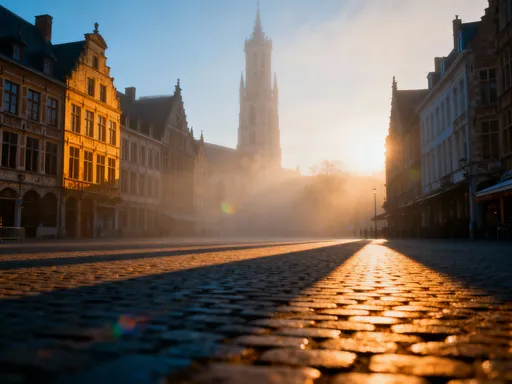
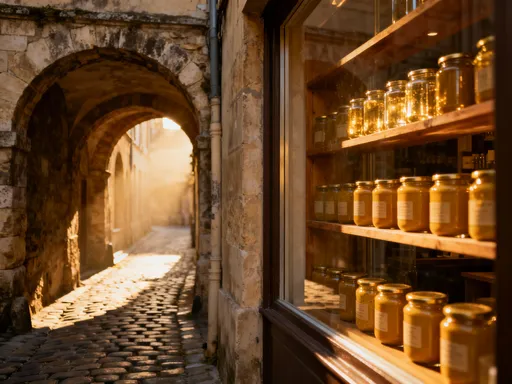
Wandering through Geneva’s Old Town is like stepping into a living museum where history and modern style coexist in perfect harmony. Nestled on a hill overlooking Lake Geneva, this medieval quarter is a maze of narrow cobbled streets, stone archways, and centuries-old buildings with flower-filled balconies. It’s here that independent designers, antique dealers, and specialty shops thrive, offering a shopping experience far removed from commercial chains. Each storefront tells a story—some have been in the same family for generations, preserving traditions that modern retail often overlooks.
One memorable discovery was a small bookshop tucked behind St. Peter’s Cathedral, where leather-bound volumes line wooden shelves from floor to ceiling. The owner, a soft-spoken woman with silver hair, spoke passionately about rare editions and Swiss literary history. She handed me a 19th-century travel journal with delicate copperplate handwriting, its pages still crisp. Though I didn’t buy it, the moment stayed with me—a reminder that some treasures aren’t meant to be owned, but remembered. Nearby, a vintage clothing boutique displayed 1950s silk dresses and hand-knit wool coats, each piece carefully restored. These shops don’t just sell items; they preserve heritage.
Another hidden gem was a quiet atelier where a local artist creates hand-painted scarves using natural dyes. The studio, lit by soft north-facing light, smelled faintly of saffron and eucalyptus—ingredients used in the dyeing process. The artist explained how each design is inspired by Alpine flora and seasonal changes, making every scarf a wearable piece of Swiss nature. I watched as she transferred a delicate fern pattern onto silk using a centuries-old technique. Buying one felt like carrying a fragment of Geneva’s soul home with me. These intimate encounters—unscripted and unhurried—are what make Old Town shopping so special.
The contrast between these small shops and the grand department stores downtown is striking, yet both have their place in Geneva’s retail tapestry. While large stores offer convenience and variety, the Old Town provides depth and soul. It’s a place where time slows, allowing shoppers to engage with artisans, ask questions, and appreciate the labor behind each creation. For visitors seeking authenticity, this district is a treasure trove. And because many shops are small, purchases often come with a personal note or thoughtful wrapping—tiny gestures that elevate the experience from transaction to ritual.
Rue du Rhône: Glamour with a Purpose
No visit to Geneva is complete without a stroll down Rue du Rhône, the city’s most iconic shopping avenue. Lined with luxury boutiques, grand hotels, and ornate streetlamps, this elegant promenade stretches from the lakeside Jardin Anglais to the bustling Place du Molard. It’s often compared to Paris’s Champs-Élysées or Milan’s Via Montenapoleone, but Rue du Rhône has a quieter, more refined character. There’s no neon, no loud music—just the soft hum of conversation and the occasional chime from a watch boutique.
What makes Rue du Rhône truly remarkable is how it blends shopping with art and architecture. The façades of the buildings are themselves works of design, featuring intricate ironwork, polished stone, and symmetrical proportions. Window displays are curated like gallery exhibits, changing seasonally to reflect themes of light, nature, or Swiss heritage. One spring, a jeweler’s window featured a kinetic sculpture of silver birds in flight, each piece crafted from recycled metal. These displays aren’t just about selling—they invite contemplation, turning a simple walk into a visual journey.
While it’s true that many stores here carry high-end brands—Hermès, Gucci, Louis Vuitton—the street offers more than just luxury shopping. It’s a place to observe craftsmanship, design philosophy, and the evolution of Swiss taste. Many boutiques offer complimentary coffee or water, and some even provide guided tours of their collections. Even without making a purchase, visitors can appreciate the attention to detail, from the texture of a handbag’s leather to the precision of a watch mechanism on display. For those who wish to buy, smaller items like leather wallets, silk ties, or artisanal pens offer a more accessible entry point into luxury Swiss goods.
To make the most of a visit, timing is key. Early mornings on weekdays are ideal—fewer crowds, better light, and more attentive staff. Late afternoons on weekends can be busy, but the atmosphere is lively, with street musicians and families enjoying the lakeside promenade nearby. Comfortable shoes are essential, as the street is long and the cobblestones uneven in places. And while it’s easy to feel intimidated by the prices, remember that window shopping is an art form here. Simply observing, learning, and absorbing the elegance of Rue du Rhône is a rewarding experience in itself.
Markets That Speak Local: From Flowers to Fabrics
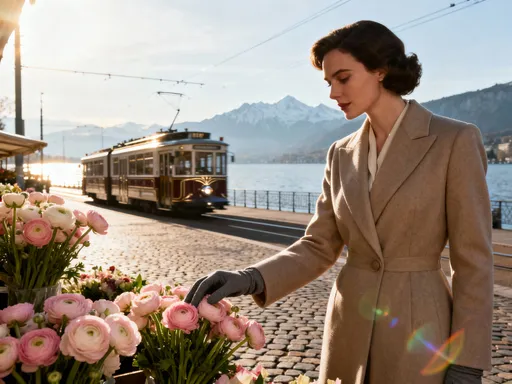
For a true taste of daily life in Geneva, the city’s markets are not to be missed. Held in scenic locations and brimming with local character, these open-air gatherings offer a sensory-rich alternative to formal shopping. The most famous is the flower market at Quai du Mont-Blanc, where colorful blooms spill from wooden crates along the lakeshore. Every morning, vendors arrange bouquets of tulips, peonies, and lavender, their fragrances mingling with the crisp lake air. Even if you don’t buy a single stem, the vibrant colors and gentle hum of conversation create a moment of pure joy.
Equally delightful are the organic farmers’ markets, such as the one at Place de la Fusterie on Wednesdays and Saturdays. Here, regional producers sell fresh vegetables, artisanal cheeses, honey, and homemade jams. The emphasis is on seasonality and sustainability—many labels proudly state “produit local” or “bio.” I once met a cheesemaker from the Jura mountains who explained how her goat cheese is aged in natural cellars using traditional methods. Tasting a sample on a wooden toothpick, I understood why Swiss dairy is revered. These markets aren’t just for food lovers; they’re cultural touchstones, connecting city dwellers with the rhythms of the countryside.
Another favorite is the craft and textile market near Plainpalais, where local designers sell handmade soaps, woven scarves, and ceramic tableware. The soaps, often scented with alpine herbs like thyme and pine, are wrapped in recyclable paper with hand-stamped labels. A knitter from Appenzell demonstrated how she uses undyed wool from Swiss sheep, preserving both tradition and environmental balance. These small purchases—affordable and meaningful—make ideal souvenirs. Unlike mass-produced trinkets, they carry the imprint of place and person.
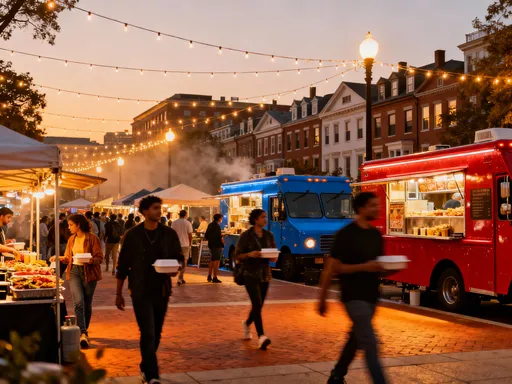
Visiting these markets requires little planning but rewards greatly. Most operate in the morning and early afternoon, so an early start ensures the best selection. Bring a reusable bag, as plastic is discouraged, and carry some cash—many vendors don’t accept cards. Engaging with sellers is encouraged; a simple “bonjour” and a smile go a long way. These interactions, brief as they may be, create warmth and connection. In a world increasingly dominated by digital transactions, Geneva’s markets remind us of the human side of shopping—the smile behind the counter, the story behind the product.
Behind the Scenes: Workshops and Artisan Encounters
One of the most enriching ways to experience Geneva’s shopping culture is by going behind the counter—literally. The city offers several hands-on workshops that allow visitors to engage directly with Swiss artisans. These experiences transform shopping from passive consumption into active participation, deepening appreciation for the skill and time behind each product. Whether it’s shaping chocolate, assembling a watch mechanism, or crafting a piece of jewelry, these workshops make souvenirs more meaningful because they’re tied to personal memory.
A particularly memorable visit was to a small watchmaking demonstration hosted by a master horologist in the heart of the city. Seated at a wooden bench under a magnifying lamp, I learned how a single timepiece contains over 100 tiny components, each placed by hand. The watchmaker explained that precision isn’t just about accuracy—it’s about respect for time itself. Though I didn’t assemble a full watch, I did help clean and reassemble a basic movement, an experience that made me view Swiss watches differently. Now, when I see one on display, I don’t just see luxury—I see patience, discipline, and artistry.
Another highlight was a chocolate-making workshop at a family-owned studio near the Old Town. Under the guidance of a chocolatier, I tempered dark chocolate, poured it into molds, and added crushed hazelnuts from Ticino. The process was meticulous—temperature had to be exact, and the chocolate stirred at precise intervals. But the result was deeply satisfying: a small box of chocolates I had made myself, wrapped in gold foil with a personalized label. Sharing them with friends later, I felt a quiet pride. These aren’t just sweets—they’re edible memories.
Such workshops are typically short—between one and two hours—and require advance booking, especially during peak seasons. They’re suitable for all ages and skill levels, making them ideal for families or solo travelers seeking deeper engagement. Some hotels and tourism offices even offer packages that include a workshop and a gift voucher for future purchases. By participating, visitors don’t just take home a product—they take home a story, a skill, and a connection to Swiss craftsmanship that lasts far beyond the trip.
Offbeat Finds: Shopping Beyond the Center
While Geneva’s city center dazzles with elegance, some of the most rewarding shopping experiences lie just beyond the tourist path. Carouge, a sun-drenched neighborhood southwest of the lake, is often described as Geneva’s “Greenwich Village” for its bohemian charm and artistic spirit. Once a separate Italian-influenced town, Carouge retains a village-like feel, with pastel-colored buildings, wrought-iron balconies, and piazzas shaded by plane trees. Its boutiques are small, independent, and full of character—perfect for travelers who value originality over opulence.
Walking through Carouge’s main square, Place du Marché, I discovered a ceramicist selling hand-glazed mugs in earthy tones inspired by Mediterranean landscapes. Around the corner, a leather artisan crafted custom journals using vegetable-tanned hides. What stood out was the absence of crowds—no tour groups, no loud advertisements, just the gentle rhythm of local life. A café nearby served herbal tea in mismatched cups, and musicians sometimes played guitar in the afternoon. This slower pace allows shoppers to linger, explore, and connect with makers on a personal level.
Carouge’s boutiques often reflect the owner’s passions—whether it’s vintage maps, hand-printed textiles, or upcycled furniture. One shop specialized in reimagined military uniforms turned into stylish jackets, lined with Swiss wool. Another sold hand-bound notebooks made from recycled paper and adorned with pressed alpine flowers. These creations aren’t just products—they’re expressions of creativity and sustainability. Because the neighborhood attracts artists and designers, the finds here feel unique, not replicated across cities.
Reaching Carouge is easy—just a short tram ride from the city center—yet the shift in atmosphere is profound. It’s a place where individuality is celebrated, and shopping feels like discovery rather than duty. For travelers who’ve seen the grand boutiques of Rue du Rhône and the historic charm of the Old Town, Carouge offers a refreshing contrast. It’s proof that Geneva’s retail soul isn’t confined to luxury—it thrives in the quiet corners where passion and craft meet.
Smart Shopping: Timing, Tactics, and Transport
To fully enjoy Geneva’s shopping culture, a little planning goes a long way. The city is well-organized, and with the right strategies, visitors can maximize their experience while minimizing stress. One of the most important tips is knowing when to shop. Switzerland has two main sales periods: winter sales begin in early January, and summer sales start in late June. During these times, even luxury boutiques offer reductions of 20 to 50 percent, making high-end items more accessible. However, popular sizes and styles sell quickly, so early visits are recommended.
Another key consideration is the tax refund system. Non-European Union visitors can claim back VAT (value-added tax) on qualifying purchases, typically those over 300 CHF. To do so, simply ask for a tax-free form at the time of purchase and have it stamped at customs when leaving Switzerland. Many stores partner with Global Blue or Innova, allowing refunds via credit card, cash, or bank transfer. This can result in savings of around 8 percent—a welcome bonus when investing in quality pieces.
Getting around Geneva is effortless thanks to its efficient public transportation network. The city’s tram, bus, and train lines connect all major shopping districts, markets, and neighborhoods like Carouge. A Geneva Transport Card, often provided free by hotels, grants unlimited travel on most routes. Using public transit not only saves time and parking fees but also reduces environmental impact. For those who prefer walking, the city center is compact and pedestrian-friendly, though comfortable shoes are essential—the cobblestones can be unforgiving.
Finally, pacing matters. Geneva’s shopping experience is best enjoyed slowly, with time to pause, observe, and reflect. Rushing from store to store defeats the purpose. Instead, plan for a few key areas per day, allowing space for coffee breaks, market visits, or unexpected discoveries. Bring a reusable shopping bag, stay hydrated, and don’t hesitate to ask shopkeepers for recommendations. Their insights often lead to hidden gems. Above all, approach shopping not as a checklist, but as a form of cultural exploration. In Geneva, every purchase—whether a watch, a scarf, or a bar of chocolate—can become a lasting memory, a tangible link to a city that values beauty, precision, and soul.