You Won’t Believe These Hidden Wild Wonders Near Caracas
Who knew that just beyond the bustling streets of Caracas lies a world of untouched nature and protected wilderness? I’m talking cloud forests humming with life, mountain trails with jaw-dropping views, and national parks where nature still rules. This isn’t the Venezuela most people expect—it’s a side rarely seen, full of quiet beauty and raw landscapes. If you're craving real adventure off the tourist trail, you gotta check out what’s hiding in the hills just outside the capital. These natural sanctuaries offer more than just fresh air—they provide peace, perspective, and a chance to reconnect with the earth in a way that’s increasingly rare in modern life. And the best part? You don’t need to travel far to find them.
Beyond the City: Caracas as a Gateway to Nature
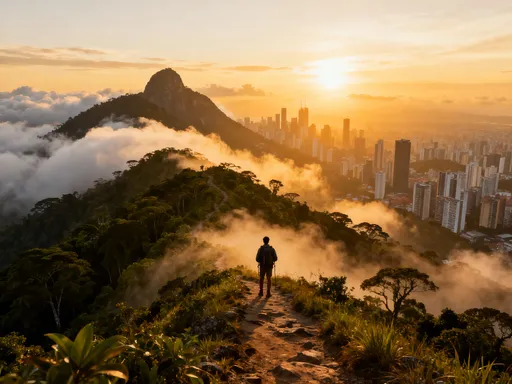
Situated in a narrow valley along Venezuela’s northern coast, Caracas is framed by the dramatic rise of the Cordillera de la Costa, a mountain range that forms a lush green barrier between the capital and the Caribbean Sea. What many visitors don’t realize is that this urban metropolis sits directly adjacent to some of the country’s most significant natural landscapes. In less than an hour, one can move from high-rise apartment buildings and busy traffic to the cool mist of cloud forests and the silence of remote mountain trails. The city’s unique geography makes it one of the few capital cities in the world with such immediate access to protected wilderness. This proximity is not just a convenience—it’s a gift, offering residents and travelers alike the chance to escape the noise and rediscover the rhythm of nature.
The backbone of this natural corridor is the Cerro El Ávila massif, a towering presence that looms over Caracas like a guardian. Rising over 2,700 meters above sea level, this mountain range is part of the larger Coastal Range that runs east-west across northern Venezuela. Its steep slopes are covered in dense vegetation, ranging from dry tropical forests at lower elevations to moist montane forests higher up. The dramatic elevation change within such a short distance creates a mosaic of ecosystems, each supporting different plant and animal communities. For those seeking tranquility, physical challenge, or simply a breath of fresh air, these mountains offer an unparalleled retreat just minutes from the city center.
What makes this transition so remarkable is not only its speed but also its accessibility. Unlike remote national parks that require days of travel, the wild areas near Caracas are within reach for a day trip or weekend excursion. Public transportation, including buses and shared taxis, can take visitors to trailheads and park entrances. For families, retirees, or anyone looking to spend time outdoors without committing to a lengthy journey, this ease of access is invaluable. It transforms nature from a distant dream into a regular possibility—a place to hike, meditate, birdwatch, or simply sit and listen to the wind through the trees.
Waraira Repano National Park: The Green Giant Above the City
At the heart of this natural sanctuary is Waraira Repano National Park, more commonly known as El Ávila National Park. Established in 1958, it spans over 83,000 hectares and protects one of the most ecologically diverse regions in northern Venezuela. The park’s official name, Waraira Repano, comes from the indigenous language of the area and reflects the deep cultural connection between local communities and the land. As one of the oldest and most important protected areas in the country, it serves as both a refuge for wildlife and a recreational haven for Caraqueños—residents of Caracas—who have long cherished it as their backyard escape.
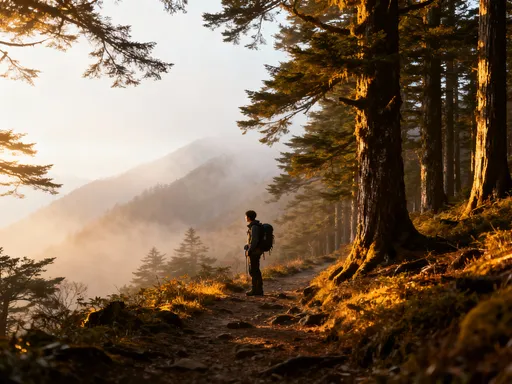
Visitors to El Ávila encounter a landscape that shifts dramatically with elevation. At lower altitudes, the vegetation consists of tropical dry forest, where drought-resistant trees shed their leaves in the dry season. As the trail climbs, the air cools and humidity increases, giving way to evergreen forests and eventually to cloud forest, where mosses drape tree branches and fog rolls in like a living blanket. This vertical diversity means that a single hike can feel like traveling through multiple climates. The La Mucuchachense trail, one of the most popular routes, offers panoramic views of the city below and leads to high-altitude paramo-like ecosystems where hardy shrubs and grasses dominate.
Wildlife in the park is abundant, though often elusive. Birdwatchers may spot the Venezuelan troupial, the national bird, or hear the loud calls of howler monkeys echoing through the canopy. Smaller mammals like agoutis and opossums are occasionally seen, especially in the early morning or late afternoon. Reptiles and amphibians thrive in the moist understory, and butterfly species flutter along sunlit paths. While large predators are no longer present due to historical pressures, the park remains a vital habitat for hundreds of native species. Conservation efforts focus on protecting these populations from further decline, particularly as urban development continues to press against park boundaries.
One of the most iconic ways to enter the park is via the Teleférico de Caracas, a cable car system that runs from the Maripérez neighborhood up to Sabas Nieves, near the summit of Cerro El Ávila. This ride offers breathtaking aerial views of the city and the surrounding mountains, making it a favorite for both tourists and locals. At the top, visitors find picnic areas, interpretive signs, and access to several hiking trails. While the cable car provides easy access, many prefer to hike in, finding greater reward in the physical effort and immersive experience of moving through the forest on foot. Whether arriving by cable car or trail, the sense of entering another world is immediate and powerful.
Why Protected Areas Matter in Venezuela
El Ávila and other nearby protected zones play a critical role in maintaining ecological balance in a rapidly urbanizing region. These forests are not just scenic backdrops—they are functional ecosystems that provide essential services to millions of people. One of the most important functions is water regulation. The mountain forests capture moisture from coastal clouds and rainfall, feeding streams and rivers that supply drinking water to Caracas. It’s estimated that a significant portion of the city’s water originates in these highland watersheds, making forest conservation directly linked to public health and urban sustainability.
Beyond water, these parks serve as reservoirs of biodiversity in a country that ranks among the most biologically rich in the world. Venezuela hosts thousands of plant and animal species, many found nowhere else on Earth. Protected areas like El Ávila act as safe havens where these species can survive despite growing pressures from habitat loss, pollution, and climate change. They also contribute to carbon sequestration, helping to mitigate the impacts of greenhouse gas emissions. In a time of global environmental crisis, every intact forest becomes more valuable, not just for its intrinsic beauty but for its role in stabilizing the planet’s climate systems.
Despite their importance, these protected areas face ongoing challenges. Urban expansion has led to encroachment on park borders, with informal settlements sometimes extending into buffer zones. Illegal logging, trash dumping, and unregulated trail use can degrade sensitive habitats. Fire risk increases during the dry season, especially when visitors leave campfires unattended. While park authorities work to enforce regulations and conduct reforestation efforts, limited resources make full protection difficult. Public awareness and responsible visitation are therefore essential components of conservation. When people understand the value of these lands, they are more likely to treat them with care.
Another key factor is governance. Venezuela’s network of national parks was once considered one of the most advanced in Latin America. While institutional capacity has faced difficulties in recent years, the legal framework for protection remains in place. The continued recognition of these areas as national treasures—through education, community involvement, and sustainable tourism—can help reinforce their status and ensure long-term survival. The future of these wild spaces depends not only on policy but on the collective attitude of society toward nature.
Hidden Gems Beyond El Ávila: Exploring Other Protected Zones
While El Ávila is the most famous natural destination near Caracas, it is not the only one. Just a short drive east lies Macarao National Park, another protected area that offers solitude and rugged beauty. Covering over 23,000 hectares, Macarao is less visited than El Ávila, making it ideal for those seeking quiet trails and undisturbed forest. Its terrain is steep and challenging, with deep ravines and fast-flowing streams. Hikers here can explore less-traveled paths, cross wooden footbridges, and enjoy views of the coastal range without crowds. The park also plays a crucial role in protecting watersheds that feed nearby towns and agricultural areas.
To the northeast, the Guarenas-Guatire forest reserves represent another important green corridor. Though not designated as a national park, this area contains significant tracts of native forest that help connect fragmented habitats. Local conservation groups have worked to maintain trails, organize clean-up events, and promote environmental education in surrounding communities. These efforts, while modest, reflect a growing grassroots commitment to preserving nature even in the face of economic hardship. For visitors, the area offers gentle hikes, birdwatching opportunities, and a chance to support community-led stewardship.
Another lesser-known site is the Turgua Ridge, located near the town of Los Teques. This elevated area provides sweeping views of the central highlands and is home to unique plant species adapted to rocky, well-drained soils. Though access is more difficult and infrastructure minimal, the area attracts dedicated hikers and nature photographers looking for untouched scenery. These hidden zones may lack the fame of El Ávila, but they offer something equally valuable: authenticity. They are places where nature remains in control, where the sounds of birds outweigh the hum of traffic, and where one can truly feel removed from the modern world.
What unites these sites is their potential. With increased attention, responsible management, and sustainable visitor practices, they could become cornerstones of eco-tourism in the region. Rather than being seen as secondary to El Ávila, they can be celebrated for their distinct character and ecological importance. Together, they form a network of green spaces that sustain both wildlife and human well-being. For the people of Caracas, they represent not just recreation, but resilience—a reminder that life persists even in the most unexpected places.
Planning Your Visit: Practical Tips for Responsible Exploration
Visiting these natural areas requires preparation, especially for those unfamiliar with mountain environments. The best time to go is during the dry season, which typically runs from December to April. During these months, trails are less slippery, visibility is clearer, and the chance of sudden downpours is lower. Mornings are ideal for hiking, as afternoon clouds often roll in, reducing visibility and cooling temperatures rapidly. Packing layers is wise—while it may be warm at the base, the summit can be surprisingly chilly, especially in the wind.
Transportation options vary. For El Ávila, visitors can take public buses from downtown Caracas to the park entrances or use the cable car from Maripérez. Shared taxis, known locally as “por puestos,” are another common way to reach trailheads. For more remote areas like Macarao or Guarenas-Guatire, joining a guided group tour may be the most practical option, as signage and public transit are limited. While private tour operators exist, it’s advisable to choose those with a reputation for environmental responsibility and community engagement.
Safety is a priority. Travelers should stay on marked trails, avoid venturing off alone, and carry a fully charged phone if possible. Informing someone of your plans and expected return time is a simple but effective precaution. Drinking plenty of water is essential, as dehydration can occur quickly at higher elevations. Bringing snacks, sunscreen, a hat, and insect repellent will enhance comfort. Sturdy footwear with good traction is recommended, particularly on rocky or uneven paths.
Equally important is minimizing environmental impact. Visitors should follow the principles of Leave No Trace: pack out all trash, avoid picking plants or disturbing wildlife, and refrain from making loud noises that could disrupt animals or other hikers. Campfires should only be made in designated areas, if at all. Respecting park rules—such as not feeding animals or straying from trails—helps ensure these places remain pristine for future generations. Every small action contributes to the larger goal of conservation.
What Makes These Places Special? A Closer Look at Biodiversity
The true magic of these mountain parks lies in their astonishing biodiversity. Within a relatively small geographic area, the dramatic change in elevation creates distinct ecological zones, each with its own community of plants and animals. At lower elevations, one might see tall ceiba trees with massive buttress roots, their crowns home to orchids and bromeliads. These epiphytes—plants that grow on other plants without harming them—turn the forest into a vertical garden, where life thrives not just on the ground but in the air.
As altitude increases, the forest transforms. Trees become shorter and more gnarled, their branches draped in mosses and lichens. Ferns carpet the forest floor, and the air carries the scent of damp earth and greenery. This is the cloud forest zone, where moisture from fog condenses on leaves and drips steadily to the ground, feeding streams and maintaining humidity. It’s a world apart—a place where silence is broken only by the call of a trogon or the rustle of a passing agouti.
Bird diversity is particularly impressive. Over 500 species have been recorded in the El Ávila region alone, making it a paradise for ornithologists and casual bird lovers alike. Brightly colored tanagers flit through the canopy, while hummingbirds hover at flowering shrubs. Raptors like the roadside hawk circle above open ridges, scanning for movement. The park is also a stopover for migratory birds traveling between North and South America, adding to its ecological significance.
Mammals, though harder to spot, are an integral part of the ecosystem. Howler monkeys, with their deep, resonant calls, are often heard before they’re seen. Coatis, relatives of raccoons, roam in small groups, foraging for fruit and insects. Bats, crucial for pollination and seed dispersal, emerge at dusk. Even small creatures like frogs and insects play vital roles—some are indicators of environmental health, while others are key links in the food chain. Every organism, no matter how small, contributes to the balance of this intricate web of life.
This richness is not accidental. It is the result of millions of years of evolution, shaped by isolation, climate, and geography. The Coastal Range acts as a biological island, separated from other mountain systems and allowing unique species to develop. Protecting this biodiversity is not just about saving individual animals or plants—it’s about preserving entire ecosystems that have taken millennia to form. When we protect these forests, we protect the conditions that allow life to flourish in all its forms.
The Future of Nature Discovery in Caracas
Looking ahead, the natural areas surrounding Caracas hold immense potential for environmental education and sustainable tourism. These parks could become living classrooms, where children learn about ecology, water cycles, and conservation through hands-on experiences. School trips, guided nature walks, and citizen science projects could deepen public appreciation and foster a new generation of environmental stewards. In a country facing complex social and economic challenges, reconnecting with nature offers not just recreation, but healing and hope.
Eco-tourism, if developed responsibly, could provide economic opportunities for local communities while funding conservation efforts. Small-scale lodges, local guides, and nature-based workshops could create jobs without compromising the integrity of the landscape. The key is balance—ensuring that growth does not lead to overcrowding, pollution, or habitat degradation. By setting visitor limits, enforcing regulations, and promoting low-impact practices, these areas can welcome more people without losing their wild character.
Perhaps most importantly, these natural spaces remind us of what endures. Amid political shifts, economic fluctuations, and the pace of modern life, the mountains remain. The trees keep growing, the rivers keep flowing, and the birds keep singing. They do not ask for much—only that we respect their space and recognize their value. When more people experience the peace of a forest trail or the awe of a mountain vista, they are more likely to support efforts to protect them.
The hidden wild wonders near Caracas are not just destinations—they are invitations. Invitations to slow down, to breathe deeply, to listen. They challenge the notion that nature is somewhere far away, accessible only to the privileged or adventurous. Instead, they show that wonder can be found close to home, even in the shadow of a great city. For anyone willing to step off the pavement and onto the trail, a world of quiet beauty awaits—just above the noise, just beyond the familiar, waiting to be discovered.